
The cheapest way to keep land open — and the ranges to expect before someone quotes your field.
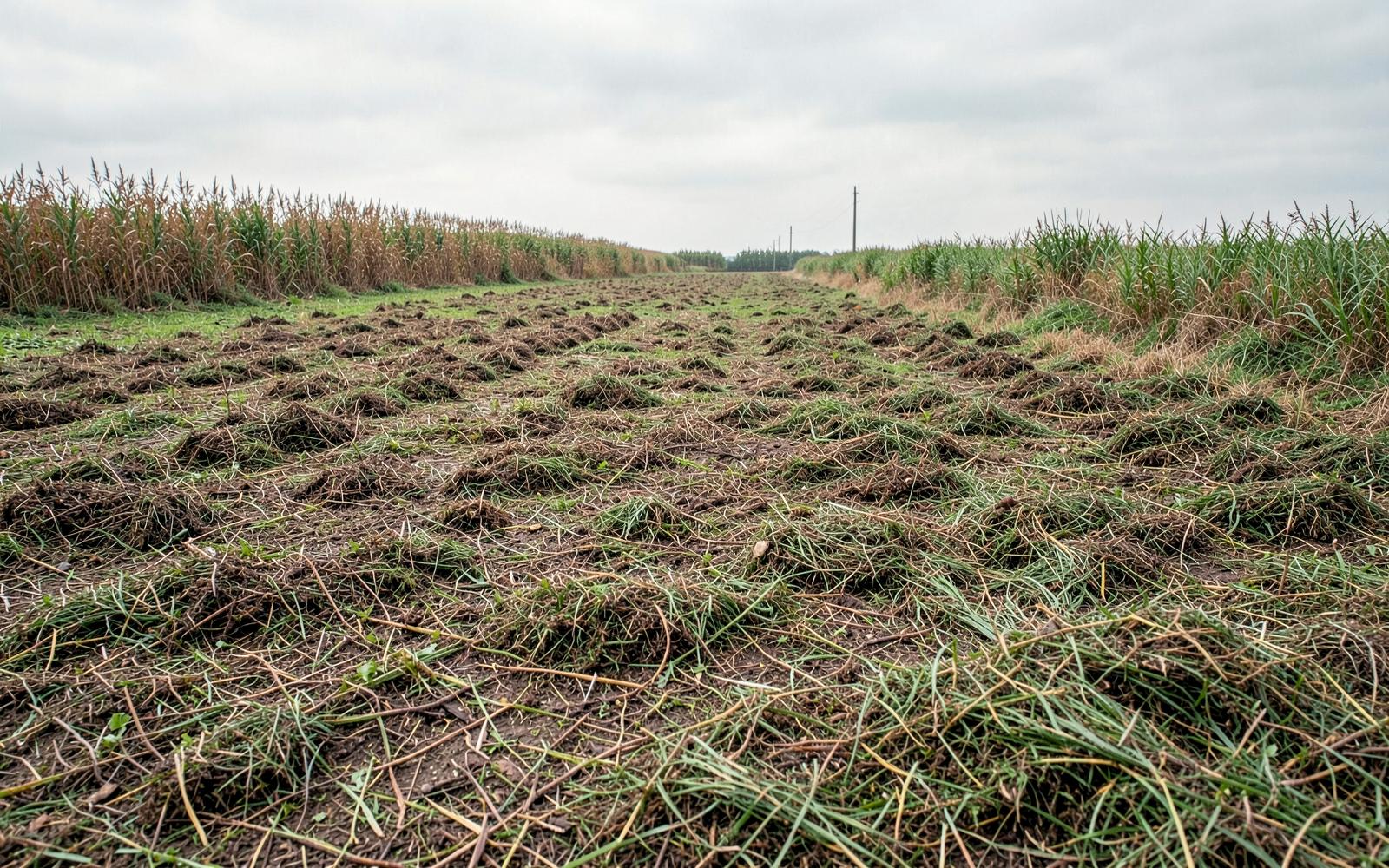
Brush hogging is the low-cost end of land maintenance, which is exactly why it is worth doing on schedule. Ground kept open with a mower never needs the expensive treatment.
Typical ranges
Midwest market ranges, not quotes:
- Open field, light growth, flat, large acreage — roughly $50 to $100 per acre
- Standard pasture cleanup, moderate growth — roughly $75 to $150 per acre
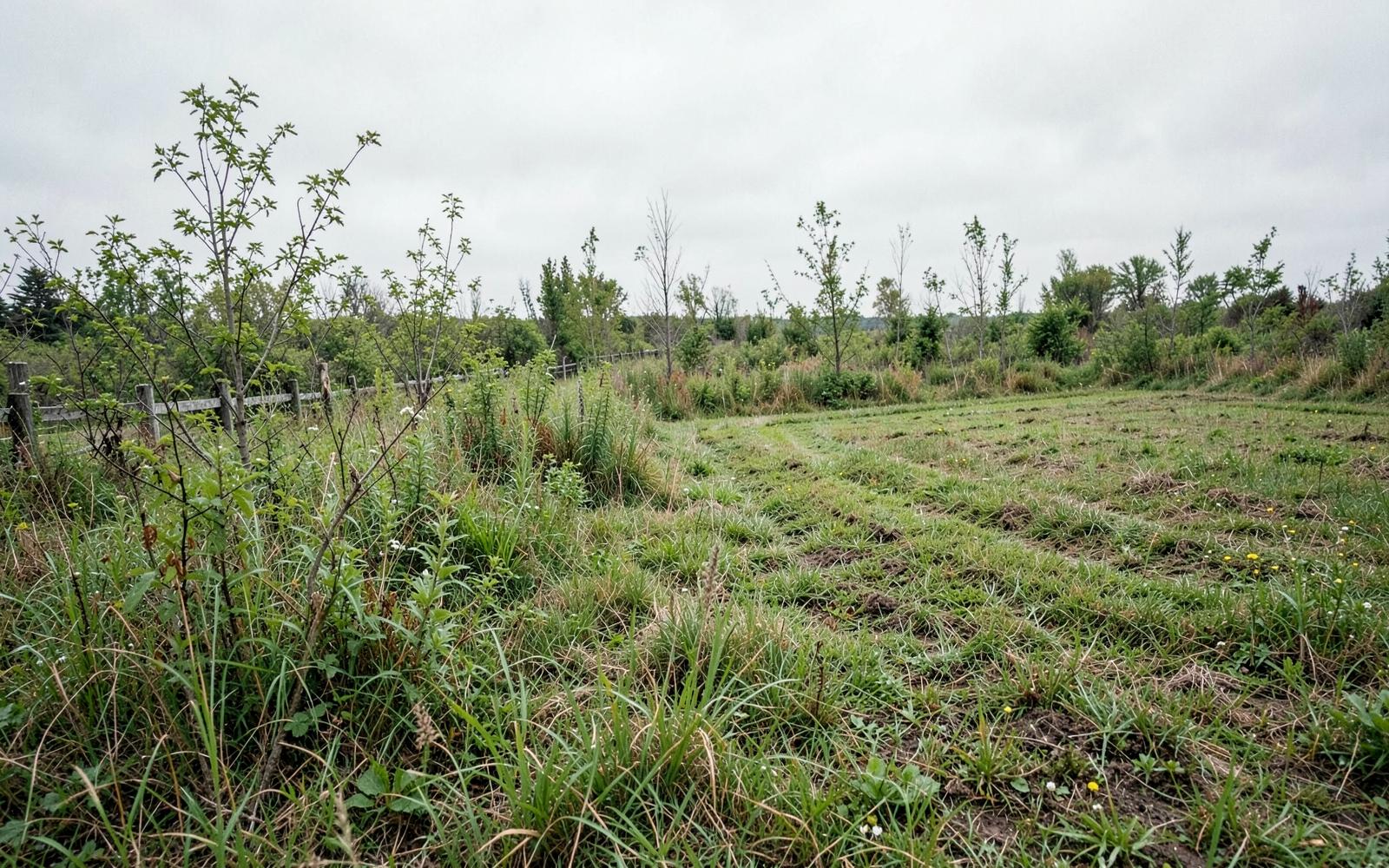
- Heavy growth, briars, small saplings — roughly $150 to $300 per acre
- Rough, steep, or obstacle-heavy ground — often quoted hourly instead
Hourly rates for tractor and operator are common on smaller or awkward jobs, and are often the fairer arrangement for both sides.
Why the spread
Acreage. Small jobs cost more per acre. Getting equipment to your property costs the same whether you have two acres or twenty. Many contractors have a minimum charge that makes a one-acre job uneconomical to price by the acre at all.
Growth height and density. Ankle-high grass is one pass at speed. Chest-high briars with saplings mixed in is slow going, sometimes requiring two passes at different heights.
Terrain. Flat and open lets a tractor run. Slopes, ditches, wet spots, and rough ground mean slower travel and real safety limits.
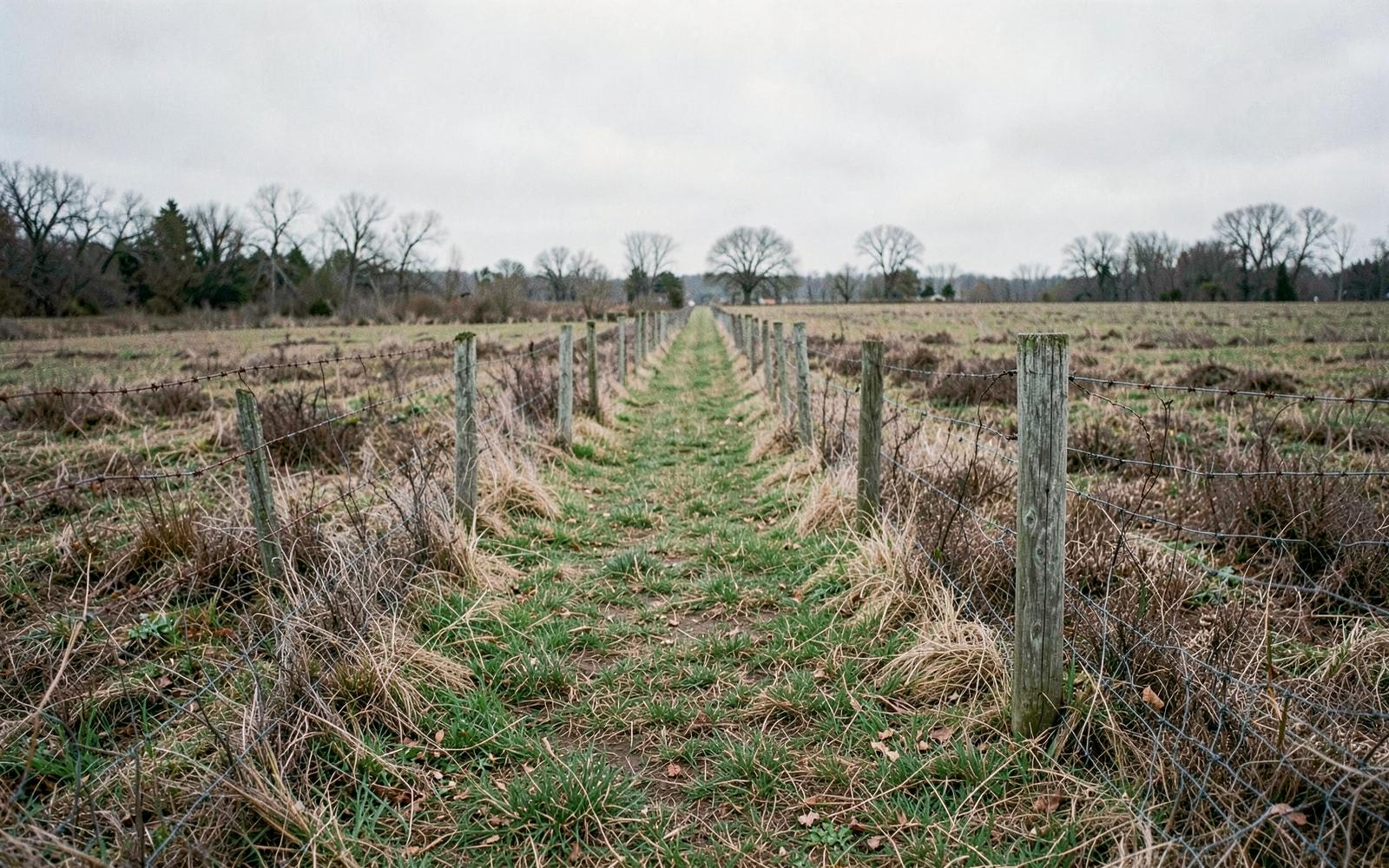
Obstacles. Trees to mow around, rocks, stumps, old fence, debris. Every obstacle is a slow-down and a risk to the equipment. Hidden objects can destroy a cutter, which is why contractors ask.
How long since the last mowing. Annual maintenance is cheap. A field that has not been touched in four years is a different job entirely.
What tends to be included
- The mowing pass itself
- Standard mobilization within the service area
What tends not to be
- Removing debris, rock, or old fence found in the field
- Multiple passes at different heights
- Anything beyond what a rotary cutter can handle
- Trimming close around obstacles by hand
- Long-distance mobilization
The real cost question
The useful comparison is not "what does one mowing cost." It is what does keeping this ground open cost over ten years.
Mow annually and you pay a modest bill each year, forever, and the ground never gets away from you.
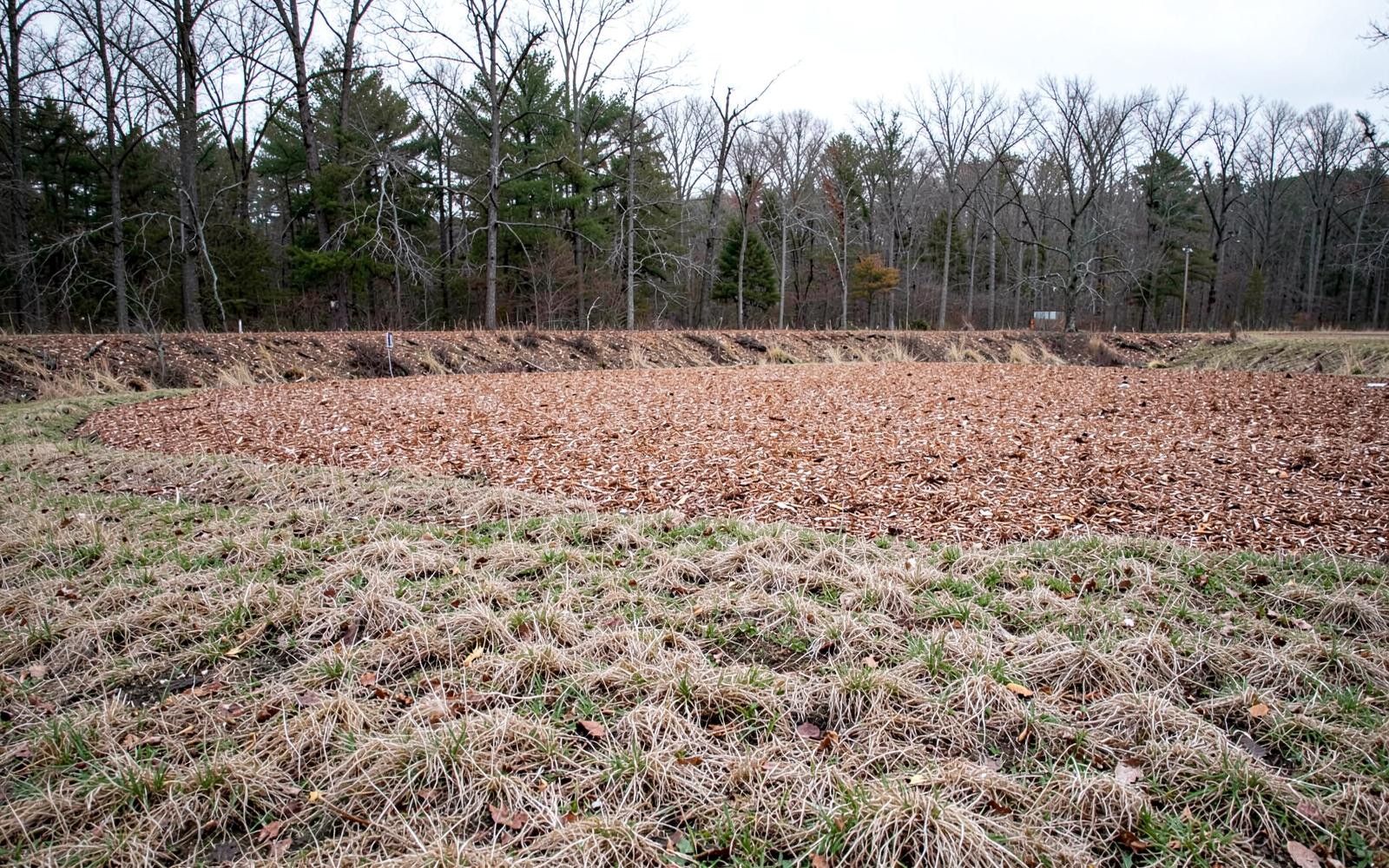
Skip it for five years and you are paying for forestry mulching to reset the ground, then starting the annual cycle anyway. That reset costs many times a decade of mowing.
Ways to reduce it
Get on a schedule. Recurring work is worth more to a contractor than one-off calls, and annual mowing is always cheaper than catch-up mowing.
Clear the obstacles once. Removing old fence, rock piles, and debris from a field makes every future mowing faster and lowers the risk premium in the price.
Mow at the right time. Cutting before woody species set seed reduces what comes back. Two well-timed passes often beat three poorly timed ones.
Combine with neighbors. Shared mobilization on adjacent ground.
Be flexible. Filling a schedule gap is worth a better rate.
When brush hogging is no longer the answer
If stems are consistently over two to three inches, a rotary cutter is the wrong tool. It will stall, bounce, or break, and the result will be poor. That ground needs forestry mulching to reset, then mowing to maintain.
Not sure which you have? Look at the thickest stems in the field. If a cutter would struggle, ask us to look at it.
Managing multiple properties, right-of-way, or municipal ground on a recurring cycle? Contract opportunities welcome.