
You cannot fix a neglected pasture in one pass. Here is a realistic two-year sequence that ends with grass instead of the brush coming back.
Brush moves into pasture the moment grazing pressure stops. Give it five years and what was grass is a thicket of honeysuckle, autumn olive, multiflora rose, and volunteer cedar.
Knocking it down is the easy part. Getting grass to replace it is the part that requires a plan.
Why one pass fails
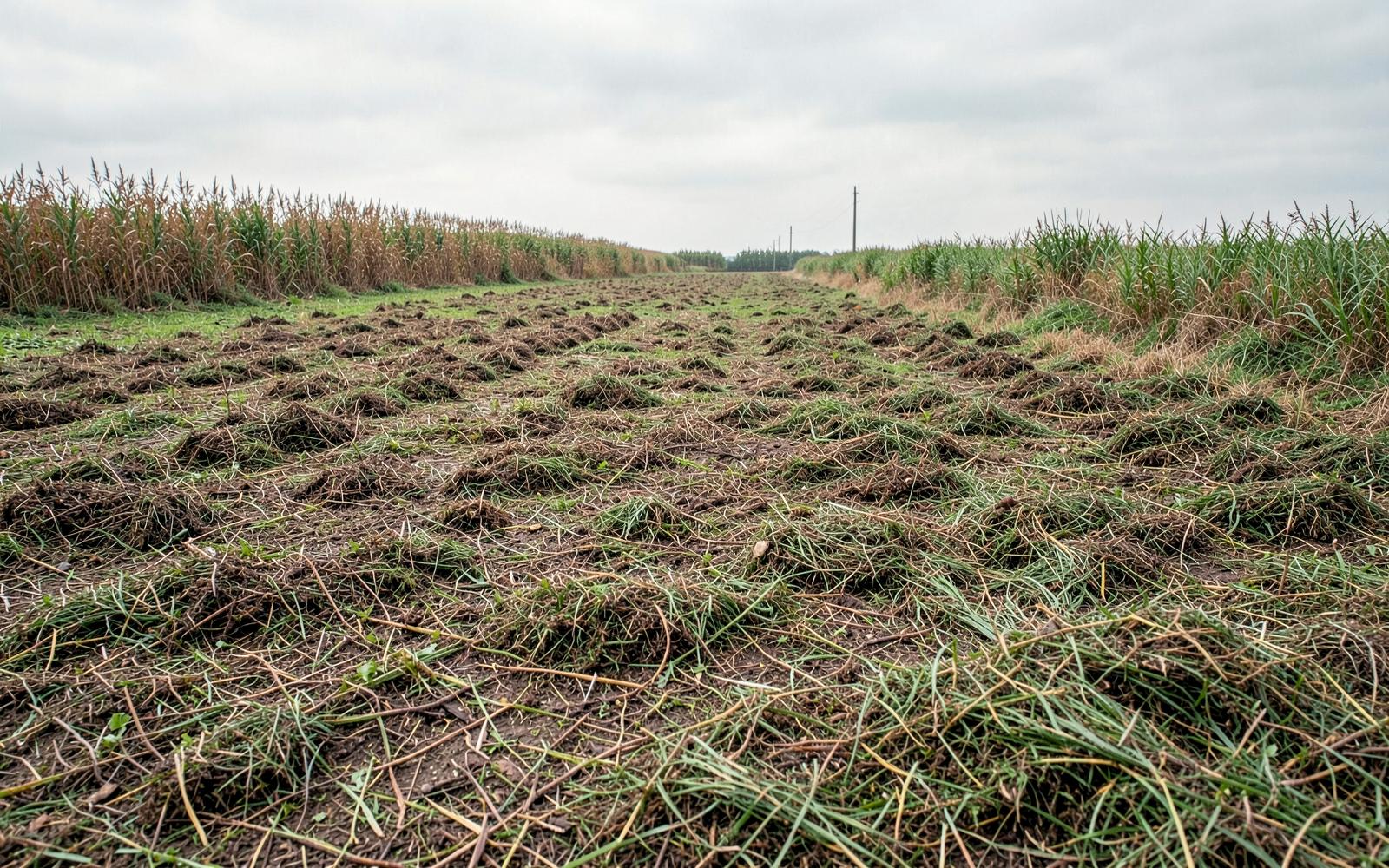
Cut brush without establishing something in its place and you have created bare ground with intact root systems. The brush comes back from the roots with a head start and no competition.
The goal is not "remove brush." It is "replace brush with a grass stand dense enough to keep brush out."
Year one
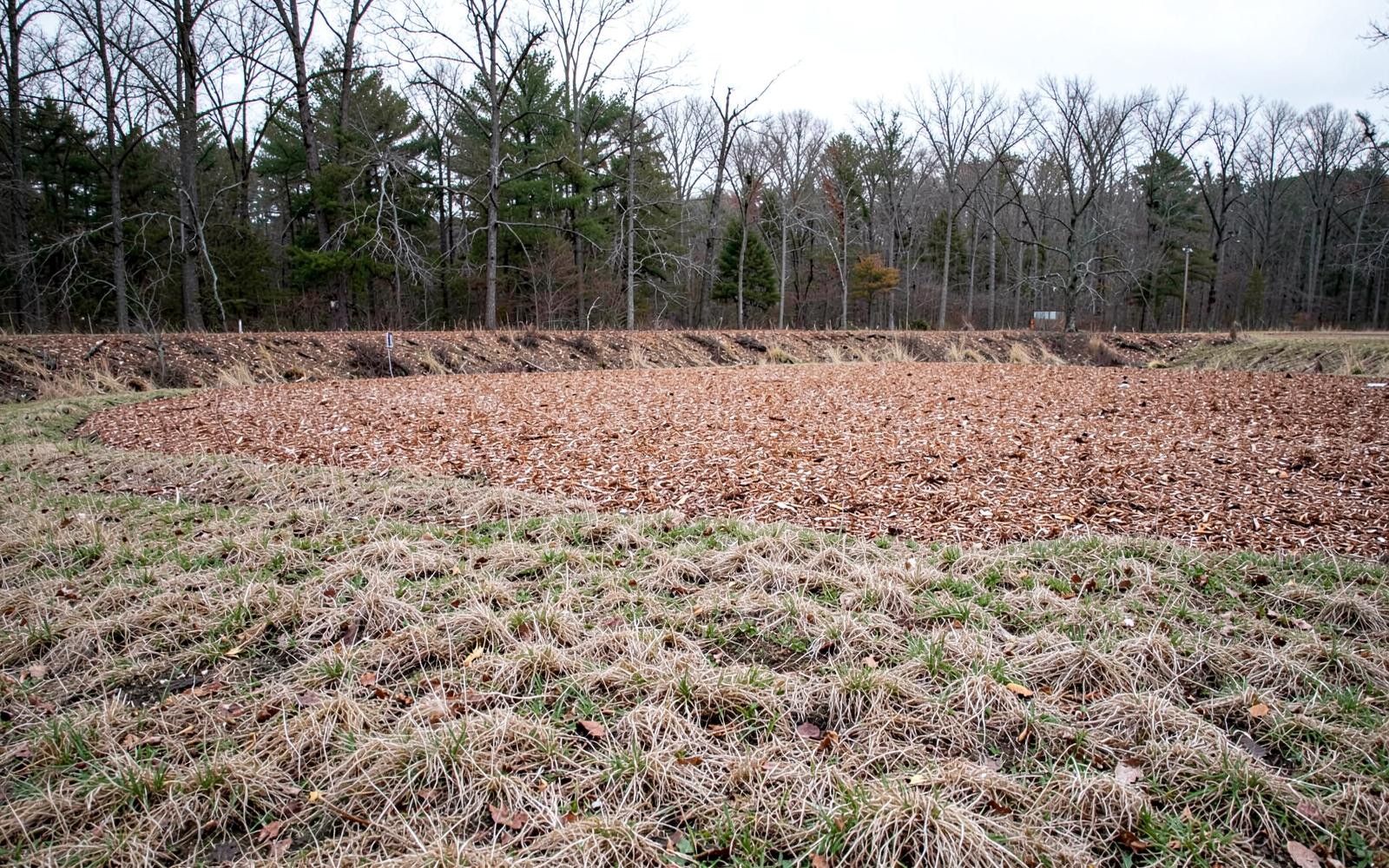
Late winter — clear. Forestry mulching on frozen or firm ground. Take everything down to grade. The mulch layer stays as erosion protection and moisture retention. Frozen ground means no ruts.
Assess what you have first: if stems are mostly under two inches, a brush hog may do it far cheaper. Past that, mulch.
Early spring — soil test. Before spending a dollar on seed. Neglected pasture is usually acidic and low in phosphorus and potassium. Lime takes six to twelve months to move pH, so the sooner it goes on the better. Seeding into soil that will not support grass is money burned.
Spring — lime and fertilize per the soil test. Lime first, and be patient with it.
Late spring / early summer — first regrowth pass. Brush will push back from the roots. Mow it or spot treat it. This is the pass most people skip, and skipping it is why reclamation projects fail.
Targeted herbicide on woody regrowth at this stage is dramatically more effective than treating mature plants. Follow the label, mind the grazing restrictions, and watch for anything you want to keep nearby.
Late summer — second regrowth pass. Same again. You are exhausting the root reserves.
Late summer to early fall — seed. In the Midwest, late summer seeding (roughly August into early September) often beats spring: less weed competition, warm soil, and fall moisture. Cool-season mixes — orchardgrass, tall fescue, timothy, with clover — suit most Indiana and Ohio pasture.
Drill if you can. Broadcasting into a mulch layer works but needs good seed-to-soil contact and a bit of luck with rain.
Year two
Spring — assess the stand. Bare patches get overseeded. Frost seeding clover in late February and March works well and is cheap.
Spring — fertilize per the follow-up soil test.
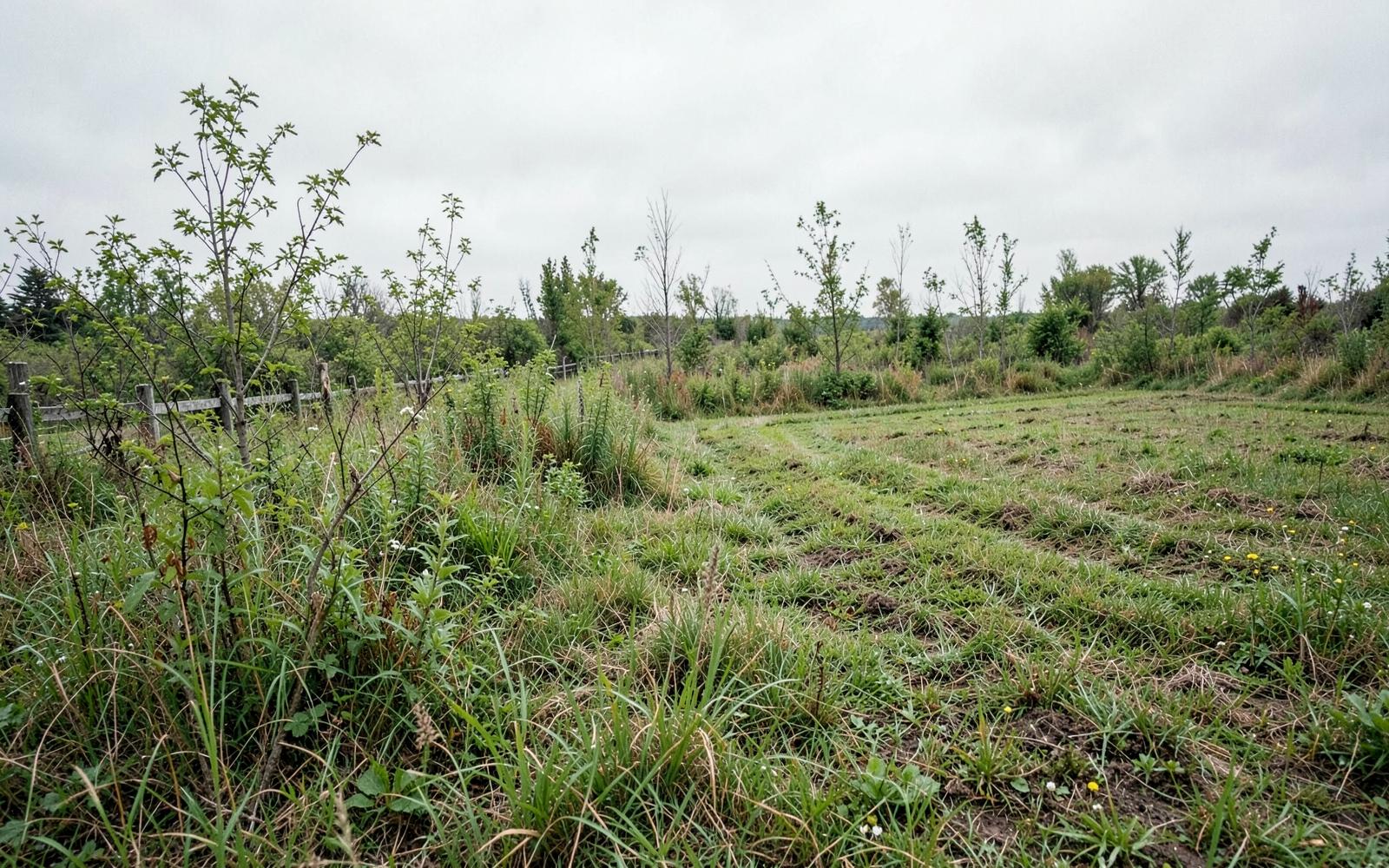
Through the season — stay on the regrowth. Any woody stem that reaches shoulder height has won. Mow or spot treat on a schedule, not when you notice.
Do not graze it hard yet. Grazing a new stand too early or too heavily sets it back badly. Let it establish. If you must graze, keep it short-duration and light.
Year three onward
Now it is a pasture, and it stays one through management rather than machinery.
- Rotational grazing with real rest periods
- Annual clip to control weeds and stop woody volunteers
- Soil test every two to three years
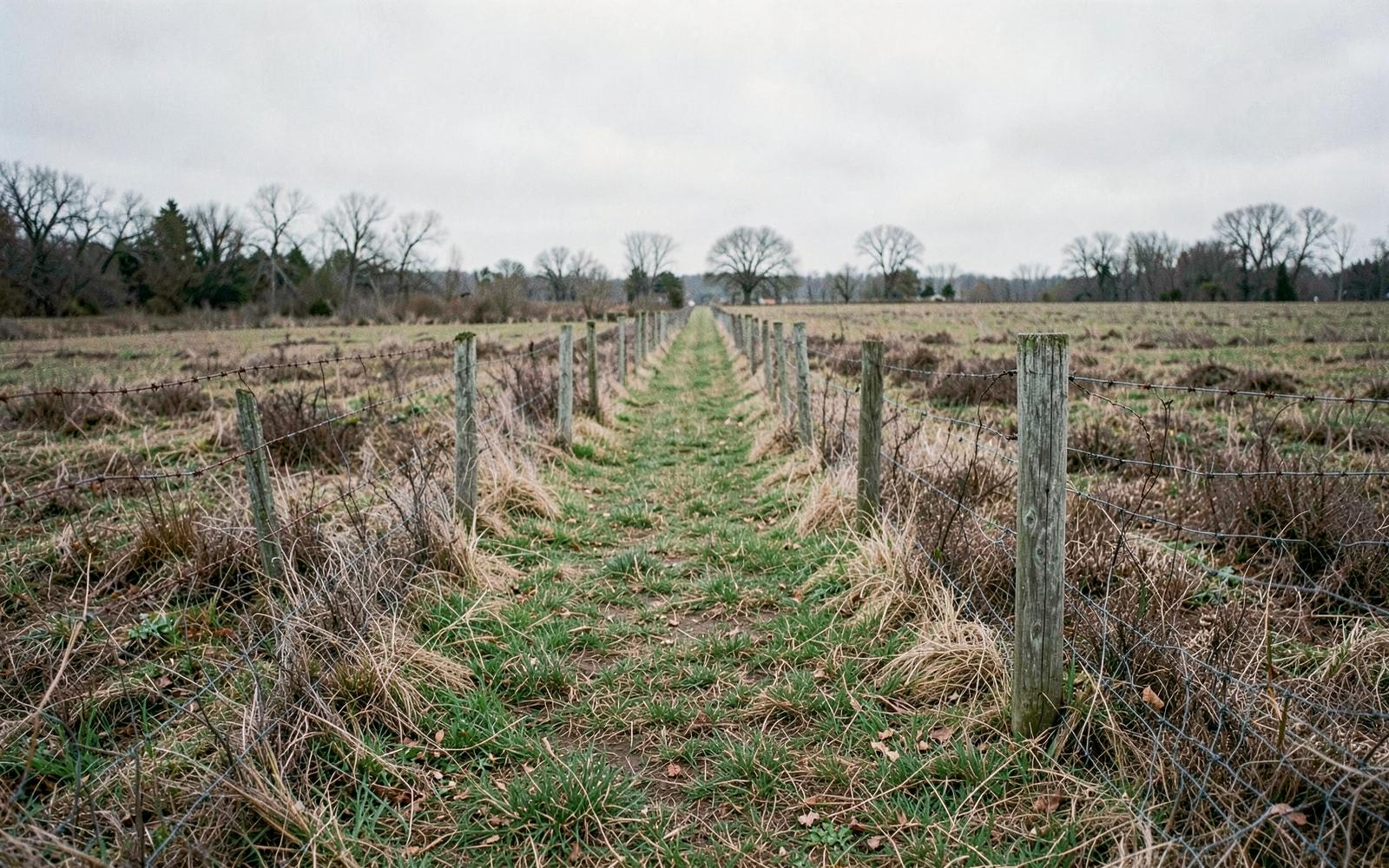
- Walk the edges — brush always returns from the fence line and the woods edge first
The realistic budget
The clearing is the big line item and it is one time. After that the costs are lime, seed, fertilizer, and a couple of mowing passes a year — modest by comparison.
The expensive version is clearing it, doing nothing else, and clearing it again in five years.
The single biggest mistake
Stopping after the clearing. The mulching looks like the finish line and it is actually the starting line. The follow-up passes in year one are what determine whether this worked.
Get a quote on the clearing, and ask us about timing it so the follow-up sequence lines up with your season.