
Both cut brush. One is a mower and one is a grinder, and using the wrong one either wastes money or fails to do the job.
The confusion is understandable — both knock down brush. But they are built for different material, and the cost difference between them is large enough that picking correctly matters.
Brush hogging
A rotary cutter, usually behind a tractor. Heavy blades spinning on a horizontal plane, cutting material off at a set height.
Handles: grass, weeds, briars, saplings generally up to about two inches, sometimes three with a heavy-duty cutter.
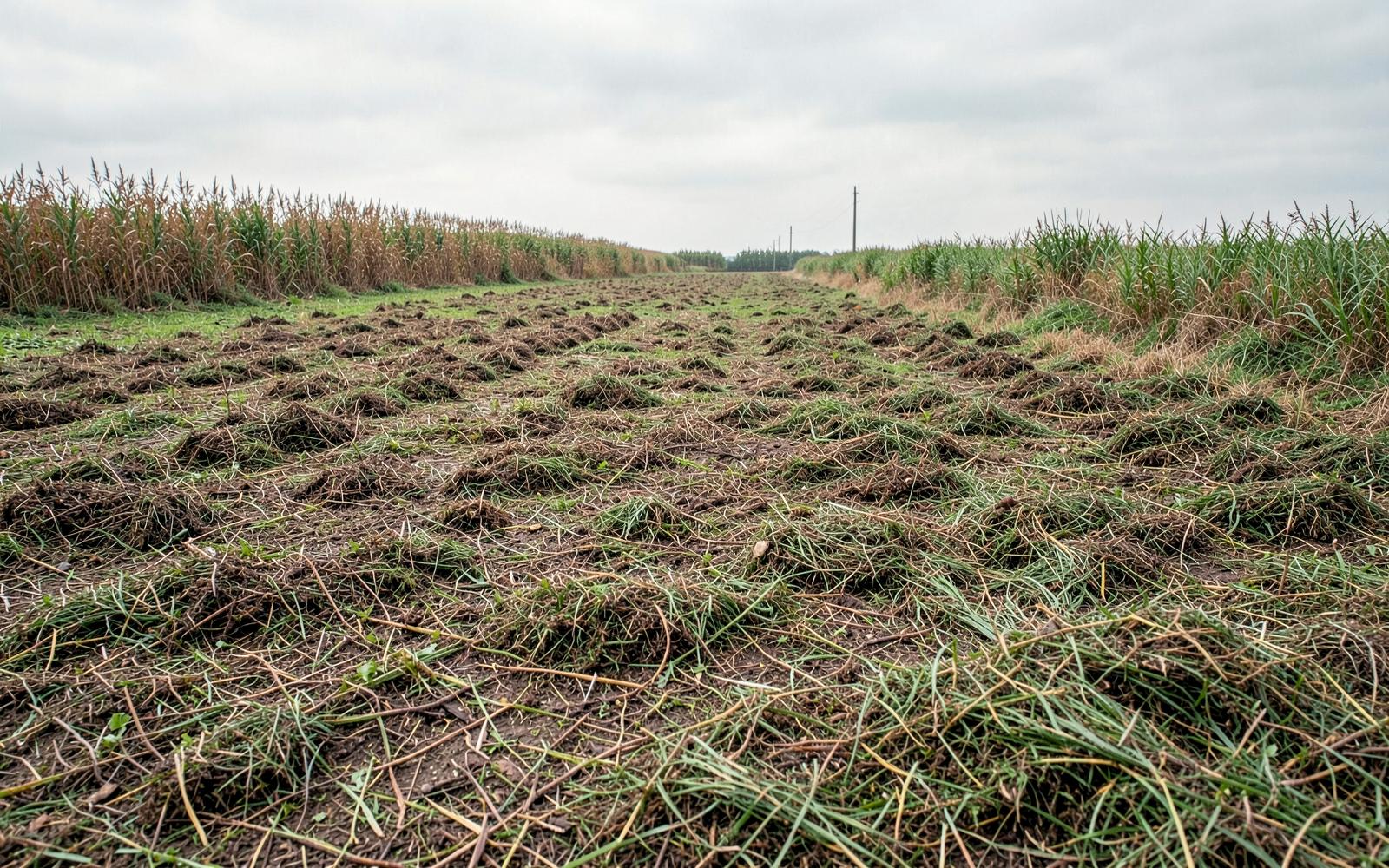
Leaves behind: cut material lying on the ground in pieces, and stubs where the stems were cut.
Costs: the cheapest option per acre by a wide margin — often a small fraction of mulching.
Best for: maintaining ground that is already open. Annual pasture cleanup, keeping fields from going back to brush, hay ground maintenance, roadside and ditch mowing, keeping trails clear.
Forestry mulching
A drum or disc head with fixed teeth, mounted on a skid steer or excavator, grinding material into chips.
Handles: brush, saplings, and trees — commonly up to eight or ten inches, sometimes more depending on the machine.
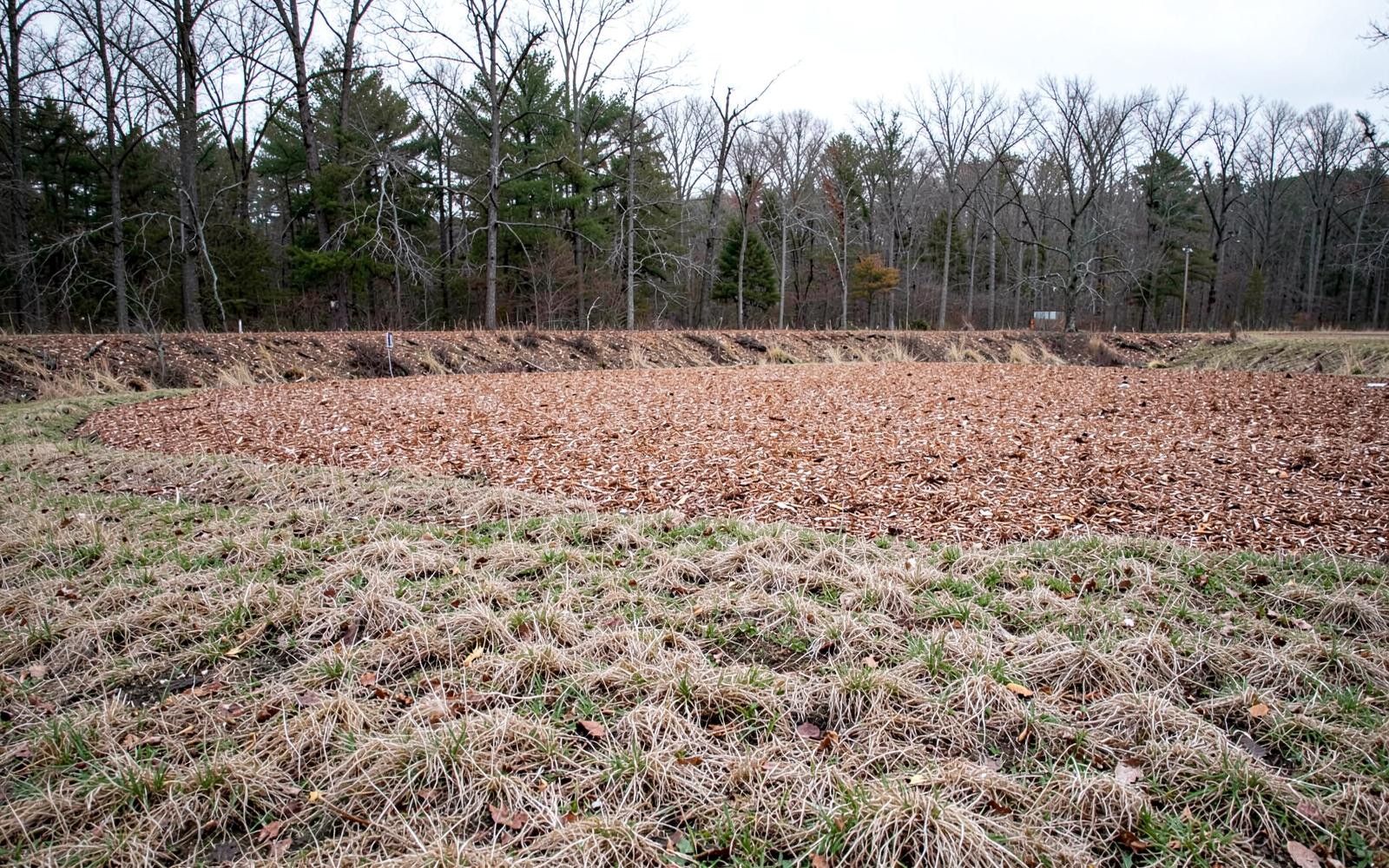
Leaves behind: a mulch layer spread across the ground, and stems cut at or below grade.
Costs: substantially more per acre than brush hogging.
Best for: reclaiming ground that has gone past what a mower can handle.
The dividing line
Stem diameter is the whole question.
- Under 2 inches — brush hog. Do not pay mulching prices for mower work.
- 2 to 4 inches — depends on density and what you want the ground to look like afterward
- Over 4 inches — mulching. A brush hog will either stall, bounce over it, or break
Trying to mow material a cutter was not built for damages equipment, leaves a bad result, and takes longer than doing it right.
The other difference: what is left
A brush hog leaves stubs — sharpened stems at cutting height. On briars and woody brush those stubs will puncture tires and are genuinely unpleasant to walk through.
Mulching cuts at or below ground level and covers the surface. The result is walkable and driveable immediately.
If the ground will see foot traffic, livestock, or ATVs, that difference matters.
Regrowth
Brush hogging cuts the top off. Woody species respond by sending up multiple stems from the stump — often coming back thicker than before. Mowed brush needs mowing again, usually annually.
Mulching takes the stem lower and covers the ground, which slows things down considerably. Still not permanent on aggressive species, but the interval is measured in years rather than a single season.
The strategy most properties should use
Mulch once to reset. Brush hog to maintain.
Reclaim overgrown ground with mulching, then keep it open with an annual or twice-annual mowing pass. You pay the higher price once and the low price forever after.
Skipping the maintenance is how people end up paying for mulching twice on the same acreage.
Timing in the Midwest
Brush hogging: late spring through early fall. Mow before woody species set seed. Two passes — early summer and late summer — controls far better than one.
Mulching: late fall through early spring is ideal. Frozen ground, no leaf cover, clear sight lines. Also outside nesting season, which matters on some ground.
Quick decision
| Situation | Do this |
|---|---|
| Field starting to get weedy | Brush hog |
| Pasture with scattered briars | Brush hog |
| Trails that grew in | Brush hog |
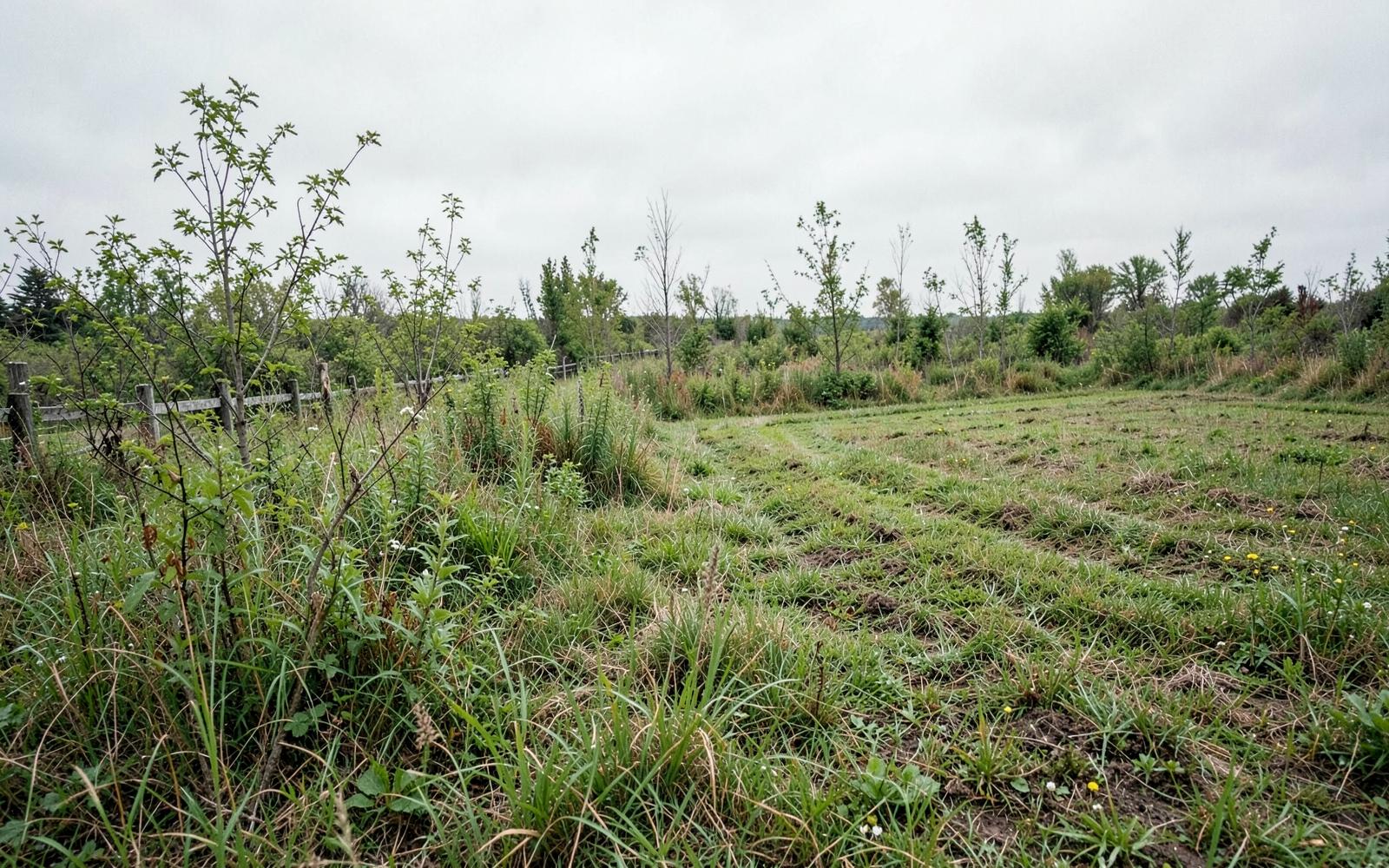
| Pasture with saplings 3+ years old | Mulch, then maintain |
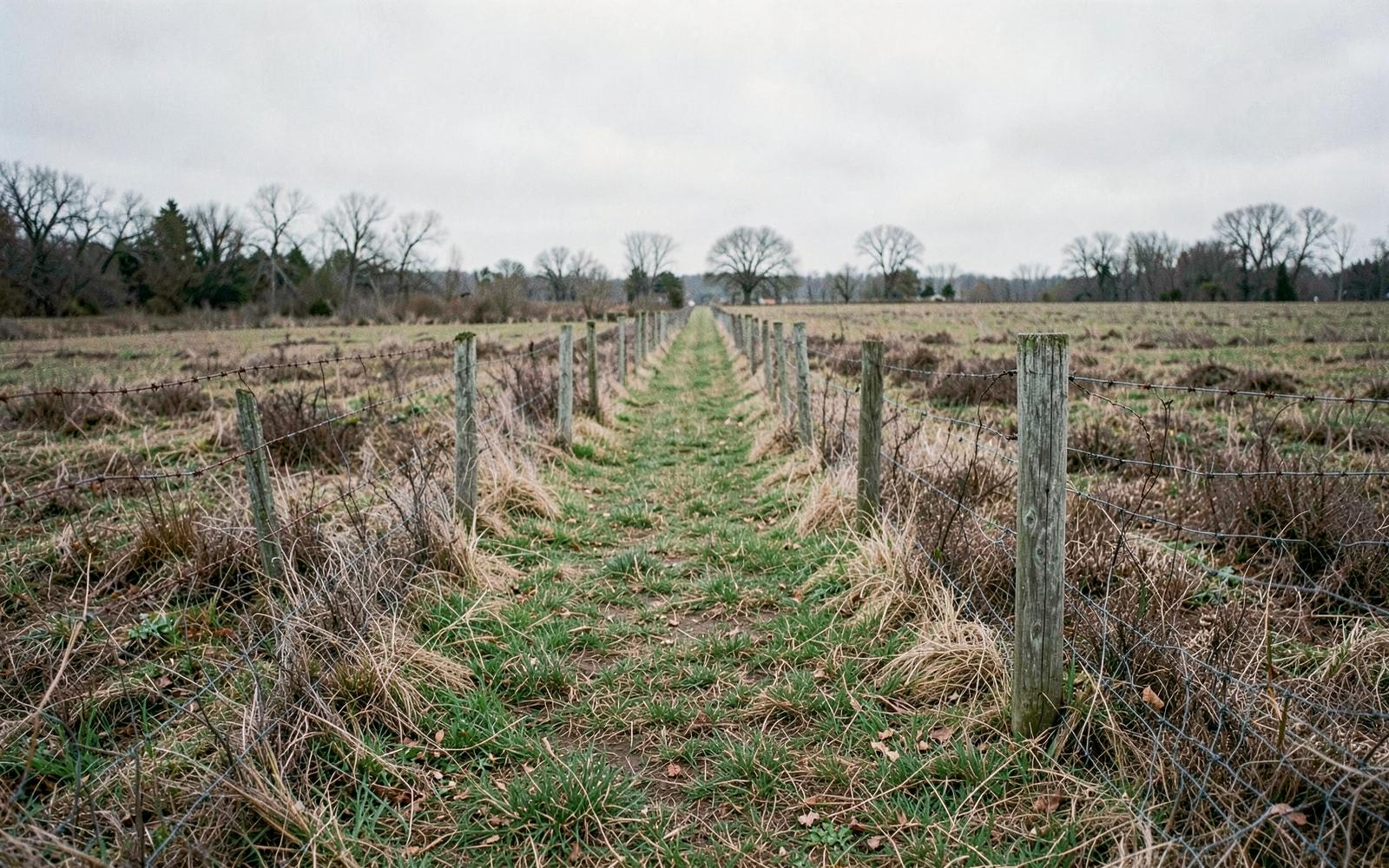
| Fence line grown into trees | Mulch |
| Ground you have not touched in a decade | Mulch |
| Solid honeysuckle | Mulch |
Not sure which side your ground falls on? Send a photo — the biggest stems in the picture usually settle it.