
An easement across your property comes with rights on both sides. Knowing which is which prevents most of the conflict.
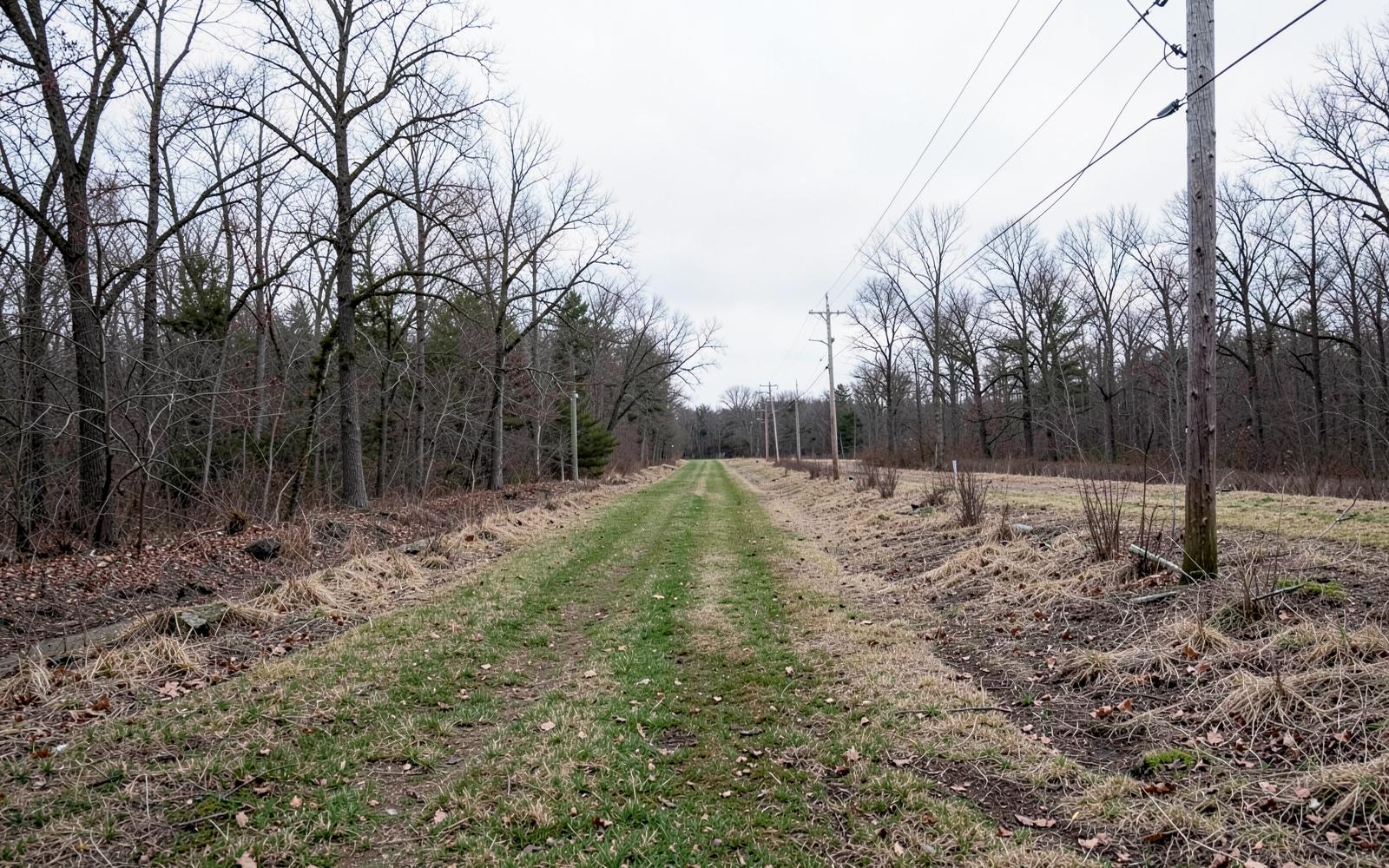
Utility easements, pipeline corridors, drainage easements, and road right-of-way cross an enormous amount of rural Indiana and Ohio ground. Most landowners never think about them until someone shows up with a chainsaw or a bill.
What an easement actually is
An easement gives someone else the right to use a defined strip of your land for a specific purpose. You still own the land. They have a legal right to access and maintain what is in it.
The specifics — width, permitted activities, and who maintains what — are in the recorded easement document. That document controls, and it varies. Anyone telling you what "easements always allow" without reading yours is guessing.
Get a copy. It is in the county recorder''s office, and it is usually attached to your title work. Read the width and the maintenance language.
What the easement holder generally has the right to do
- Access the corridor to inspect, maintain, repair, and replace their facilities
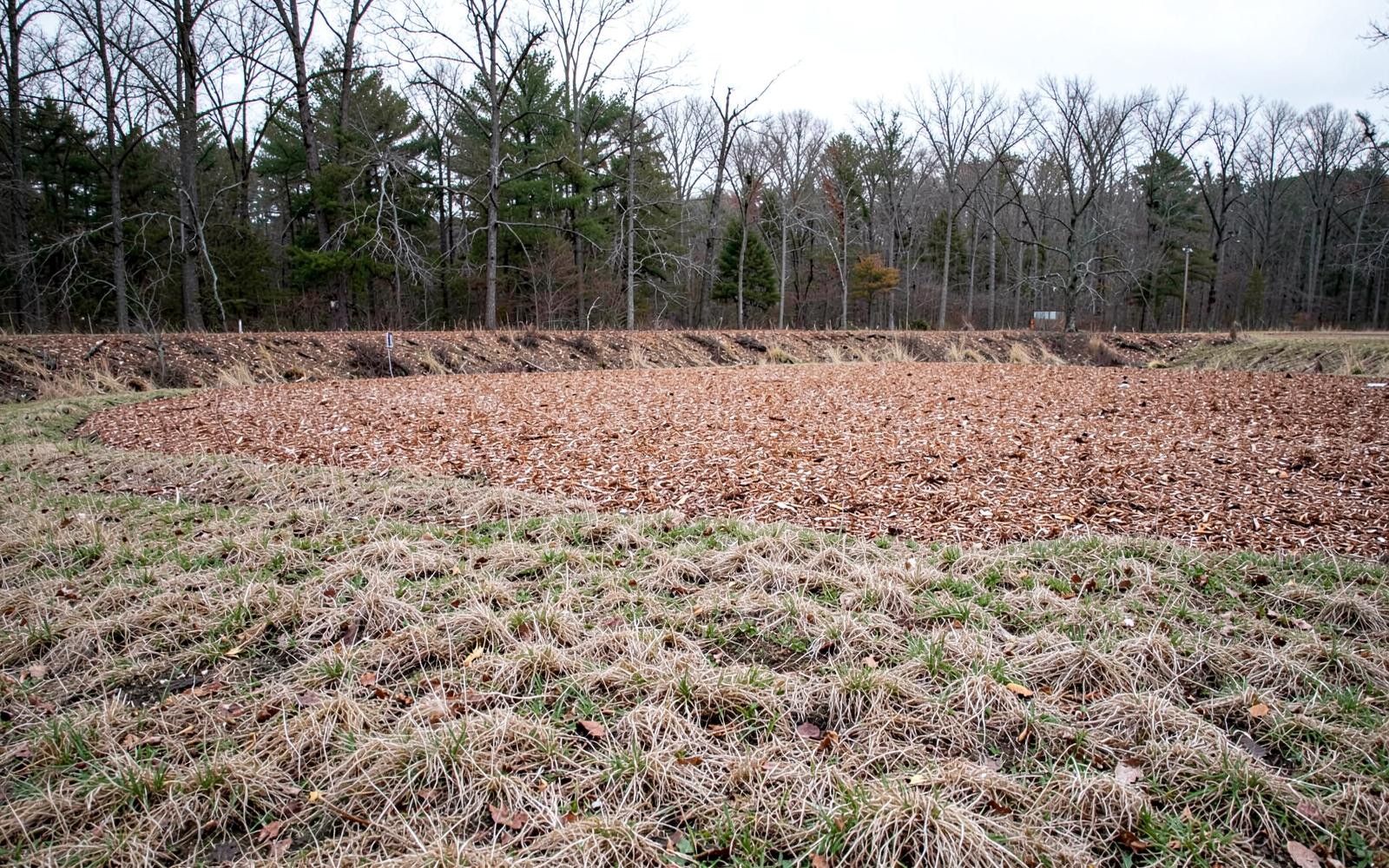
- Remove vegetation that threatens those facilities
- Keep the corridor clear enough to work in
For electric transmission in particular, vegetation clearance is a reliability and safety requirement, and utilities have both authority and obligation to maintain it.
What the landowner generally retains
- Ownership of the land
- Use of the surface for purposes that do not interfere — often grazing, cropping, or mowing
- Compensation as specified in the original grant
- The right to expect reasonable notice and reasonable restoration
Where conflict usually starts
Tree removal. A landowner sees a mature tree taken down. The utility sees a hazard to a line. Both can be right. The place to resolve it is the easement language and a conversation before the crew arrives, not after.
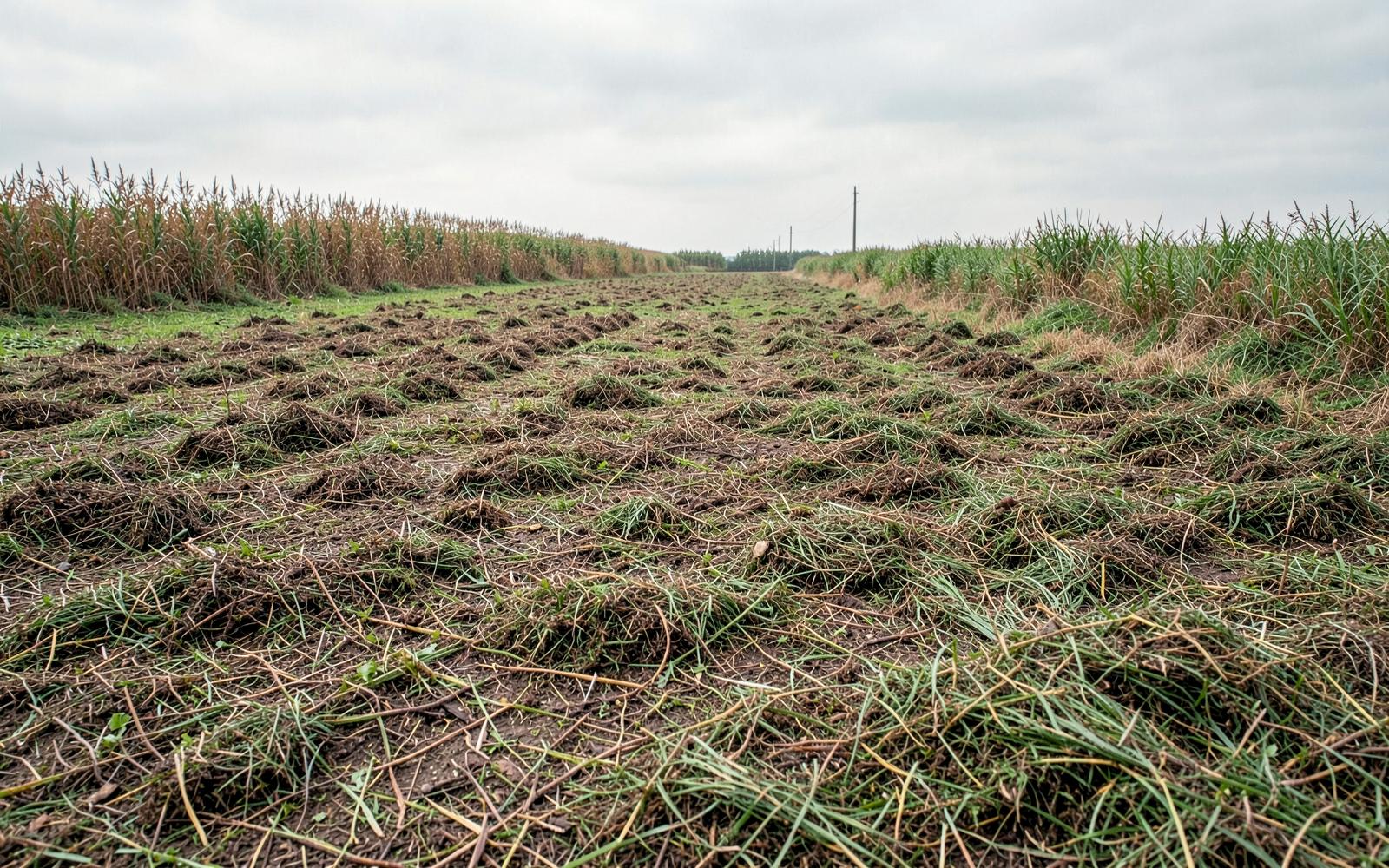
Access damage. Equipment crossing a field to reach a corridor can rut ground and damage crops. Most easements require restoration or crop damage payment. Document conditions before and after, with photos and dates.
Herbicide. Many utilities use targeted herbicide for corridor maintenance. If you have livestock, organic certification, sensitive crops, or beehives, tell them in writing and ask for your property to be flagged.
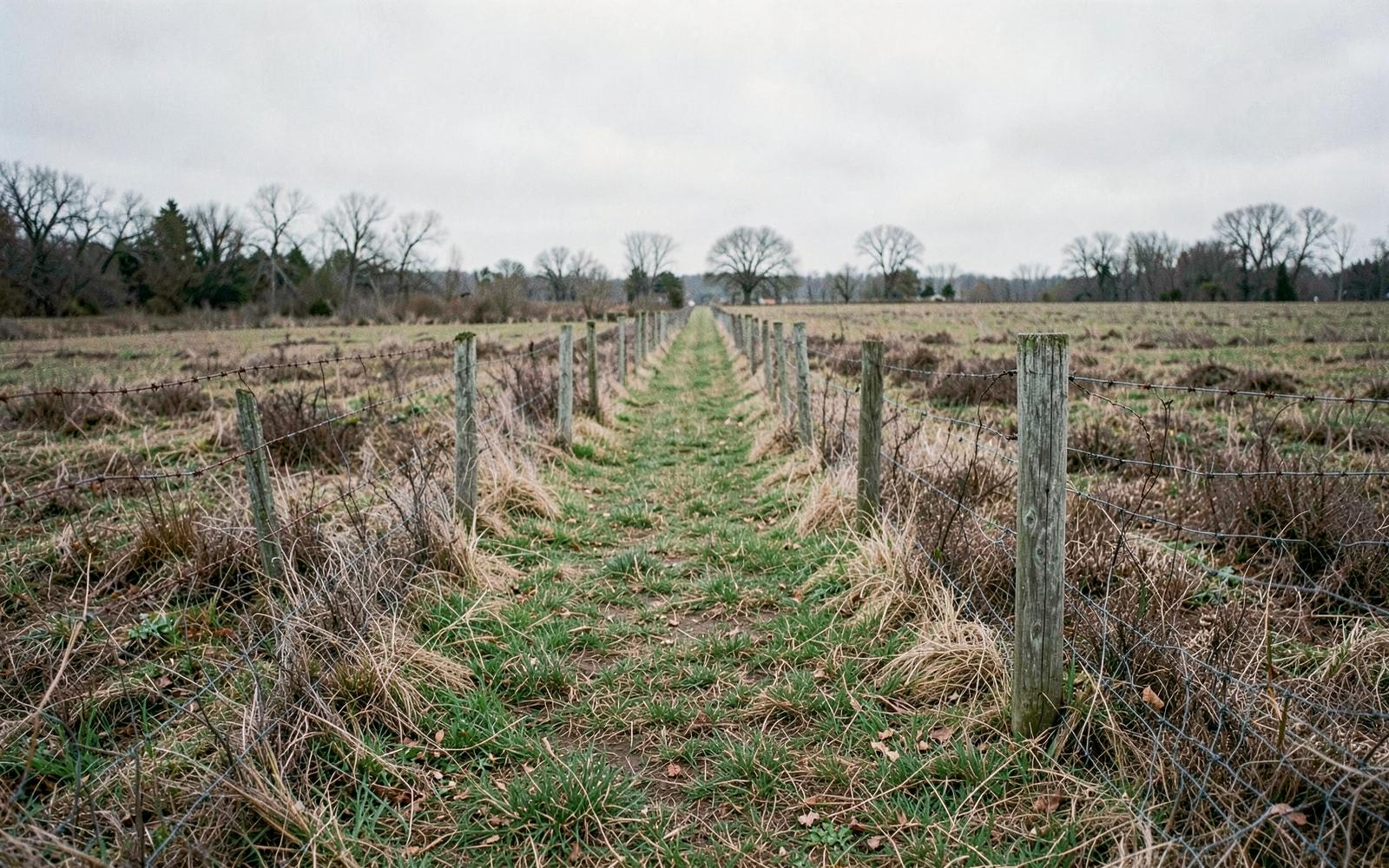
Structures. Building, fencing across, or planting trees inside a corridor generally is not permitted, and the utility can remove it. Check before you build.
What landowners can do
Read the easement. Genuinely the most useful step.
Ask for the maintenance cycle. Most utilities work corridors on a rotation. Knowing yours lets you plan.
Ask to be notified. Many will add you to a contact list.
Manage it yourself where permitted. Some easements allow the landowner to keep the corridor clear. Low-growing vegetation you maintain is often preferable to a periodic mechanical clearing you did not schedule.
Document everything. Photos before work, photos after, dates, names.
Drainage easements are different
Legal and regulated drains in Indiana and Ohio carry their own protected easements, administered through the county surveyor and drainage board. There are typically setbacks where you cannot build, fill, or plant, and the drainage board has authority to access and maintain.
If a regulated drain crosses your ground, the county surveyor''s office is the place to start.
Road right-of-way
The public right-of-way along a county road is typically wider than the pavement, and vegetation management within it is the county''s responsibility — and sometimes partly the adjacent landowner''s, depending on local ordinance. Sight-distance obstructions at intersections and approaches are usually enforceable against the landowner.
For the organizations doing the clearing
Corridor and easement maintenance done on a predictable cycle costs far less than emergency response, and generates far fewer landowner complaints. Scheduled cycle work also means better landowner notice, which is where most of the friction comes from.
We take on right-of-way, easement, and corridor clearing on contract for utilities, pipeline operators, municipalities, and drainage boards.