
What it actually takes to bring twenty overgrown acres back — in order, with honest timeframes and where the money goes.
People buy neglected acreage because it is cheap, then discover why. Here is a realistic picture of the work, so the project matches the budget instead of stalling halfway.
Phase 0: Understand it (weeks 1–4, low cost)
Before spending real money:
- Locate corners; survey if uncertain
- Pull soils, floodplain, drainage, and easement records
- Walk it during rain
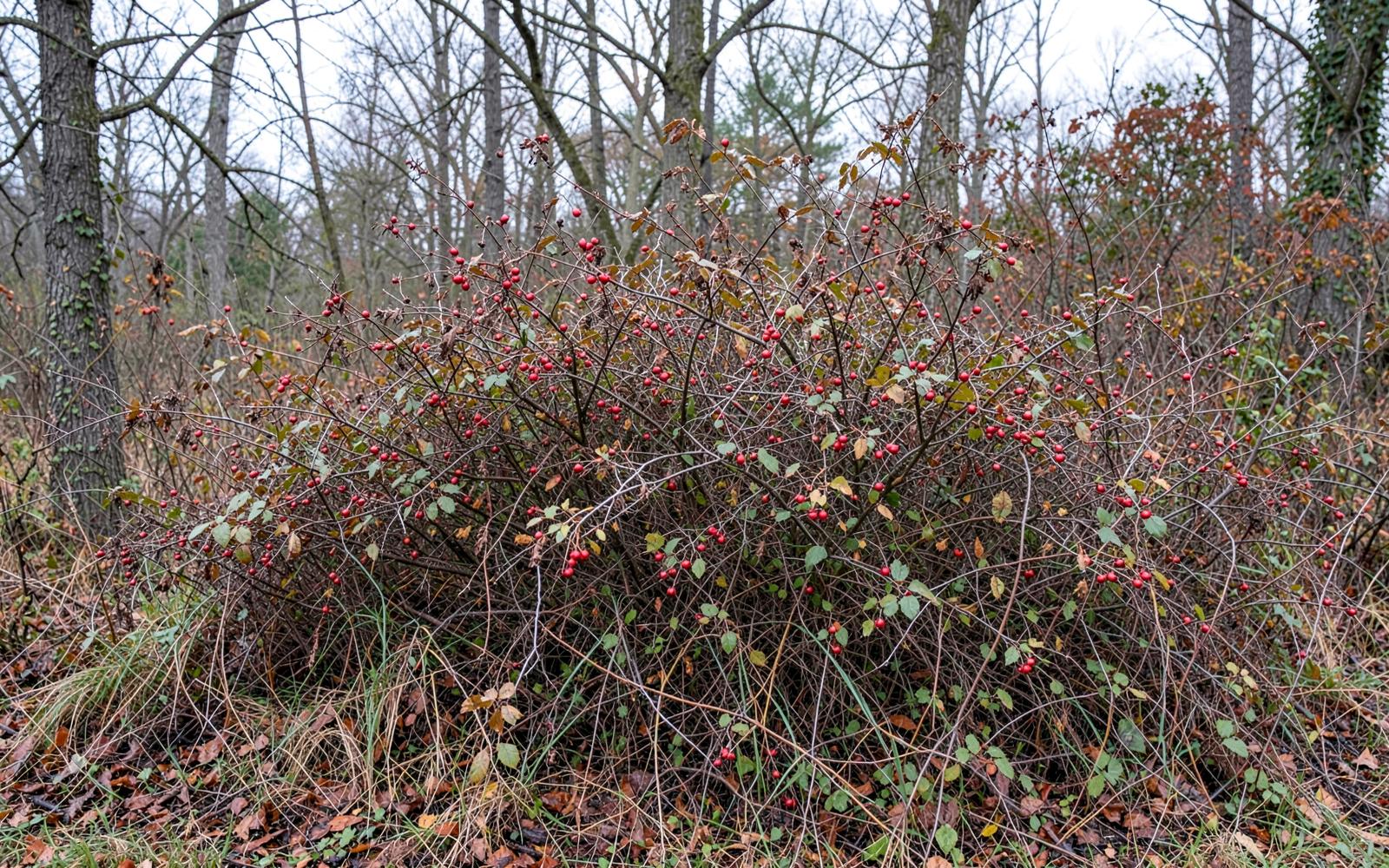
- Identify what is growing — species determine the treatment plan
- Perc test if a house or septic is in the plan
- Decide what each area will be used for
The single biggest waste on these projects is clearing ground before deciding what it is for.
Phase 1: Access (month 1–2)
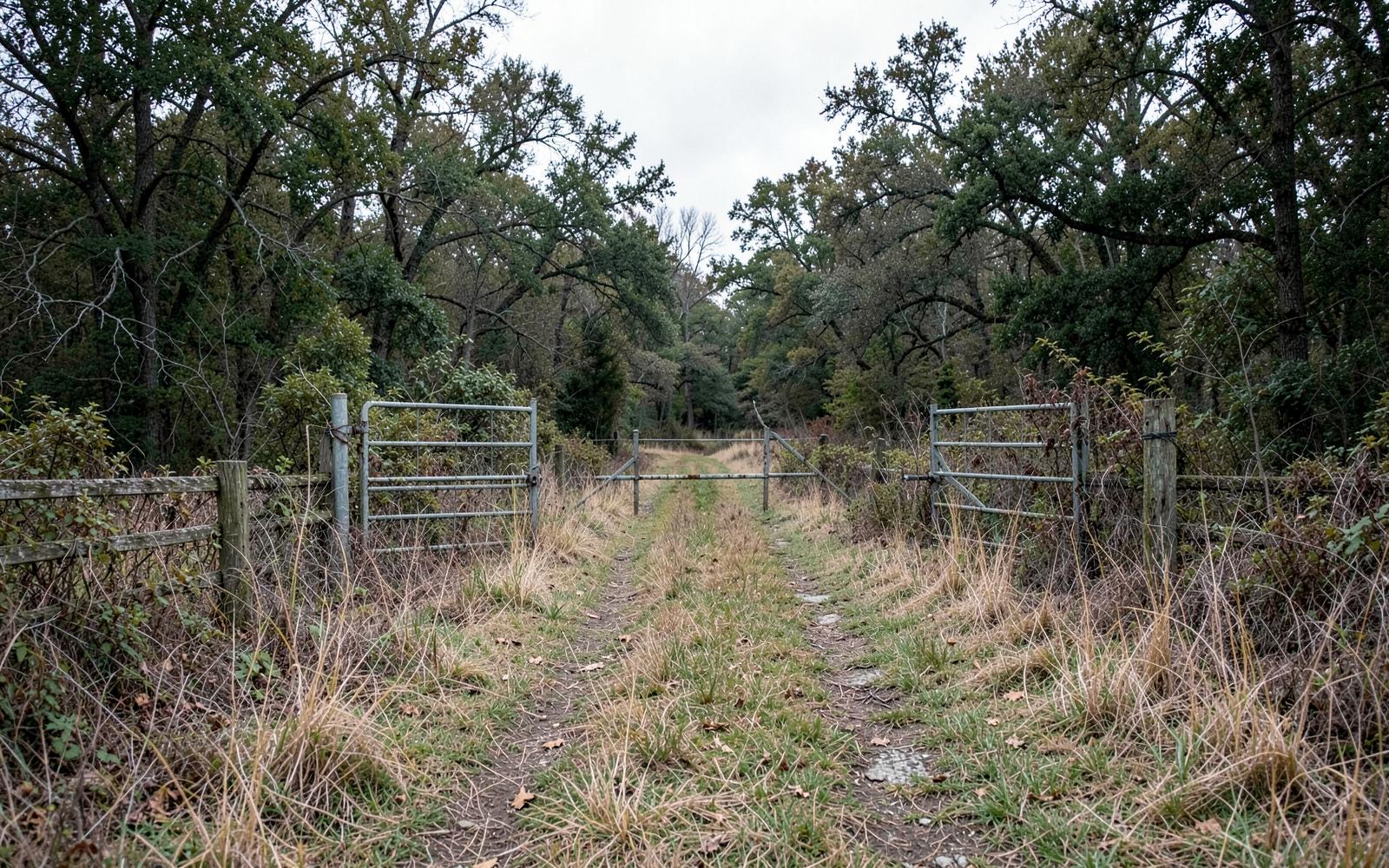
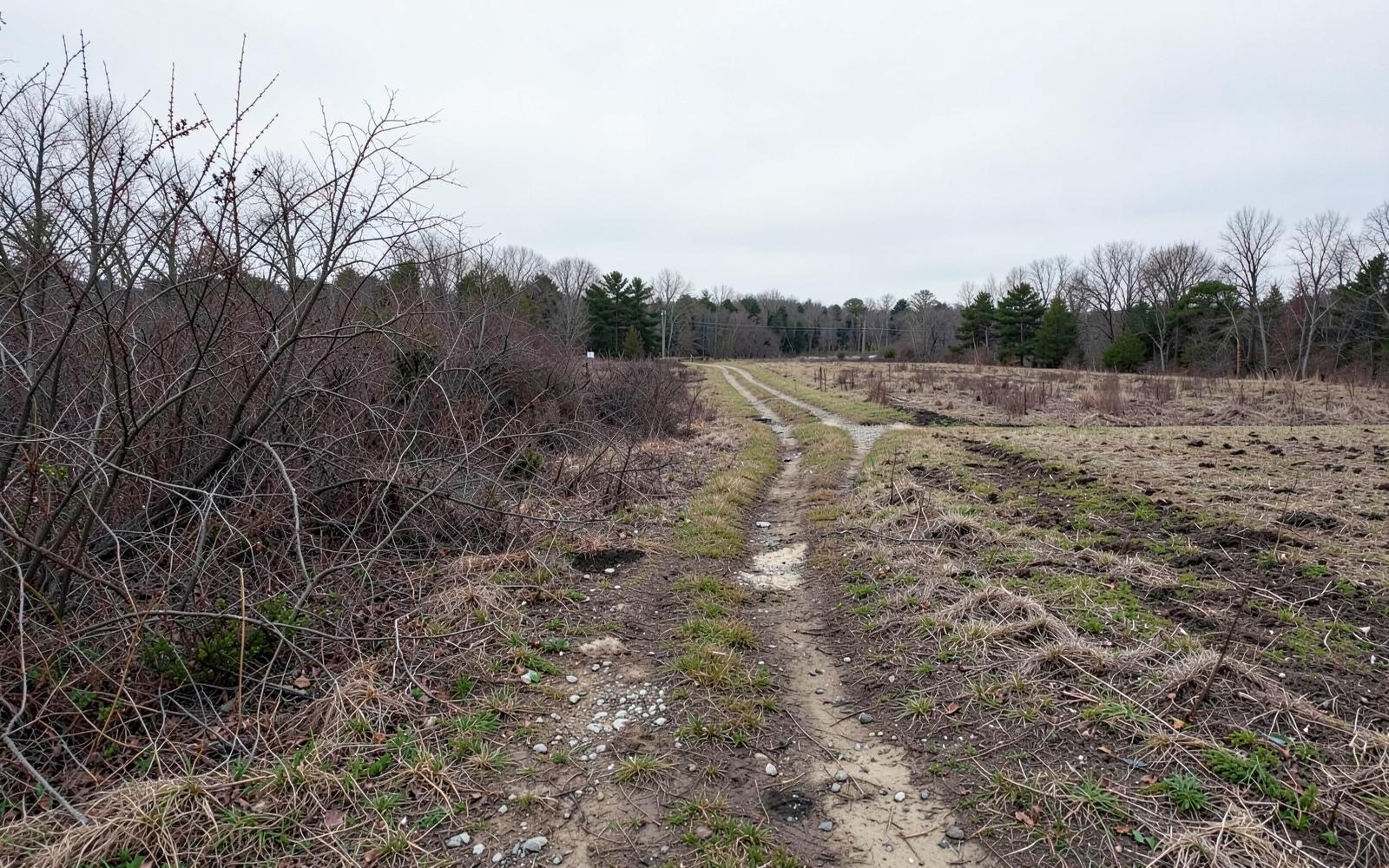
Almost always first. A lane you can get equipment down changes the cost of everything after it.
May be as simple as mulching a route and adding stone at soft spots, or as involved as a full driveway with culverts and a county-approved approach.
Budget note: access is the highest-leverage money on the whole project. Everything downstream gets cheaper.
Phase 2: Reset the vegetation (month 2–4)
Forestry mulching on the areas you intend to use. Ideally in late winter on firm or frozen ground.
Do not clear the whole property by default. Clear what the plan calls for. Leave what you want wooded, and leave a screen where you want privacy.
This is usually the largest single line item. Cost scales with acreage, density, and stem size — light ground is a few hundred dollars an acre, heavy ground several thousand.
Phase 3: The follow-up nobody budgets for (months 4–18)
Regrowth passes. Two in the first year, at minimum, on ground that had aggressive invasives.
This phase is modest in cost and decisive in outcome. Skipping it is the reason most reclamation projects fail, and skipping it means paying for Phase 2 again in five years.
Phase 4: Soil and cover (months 6–18)
- Soil test
- Lime and fertilize per results
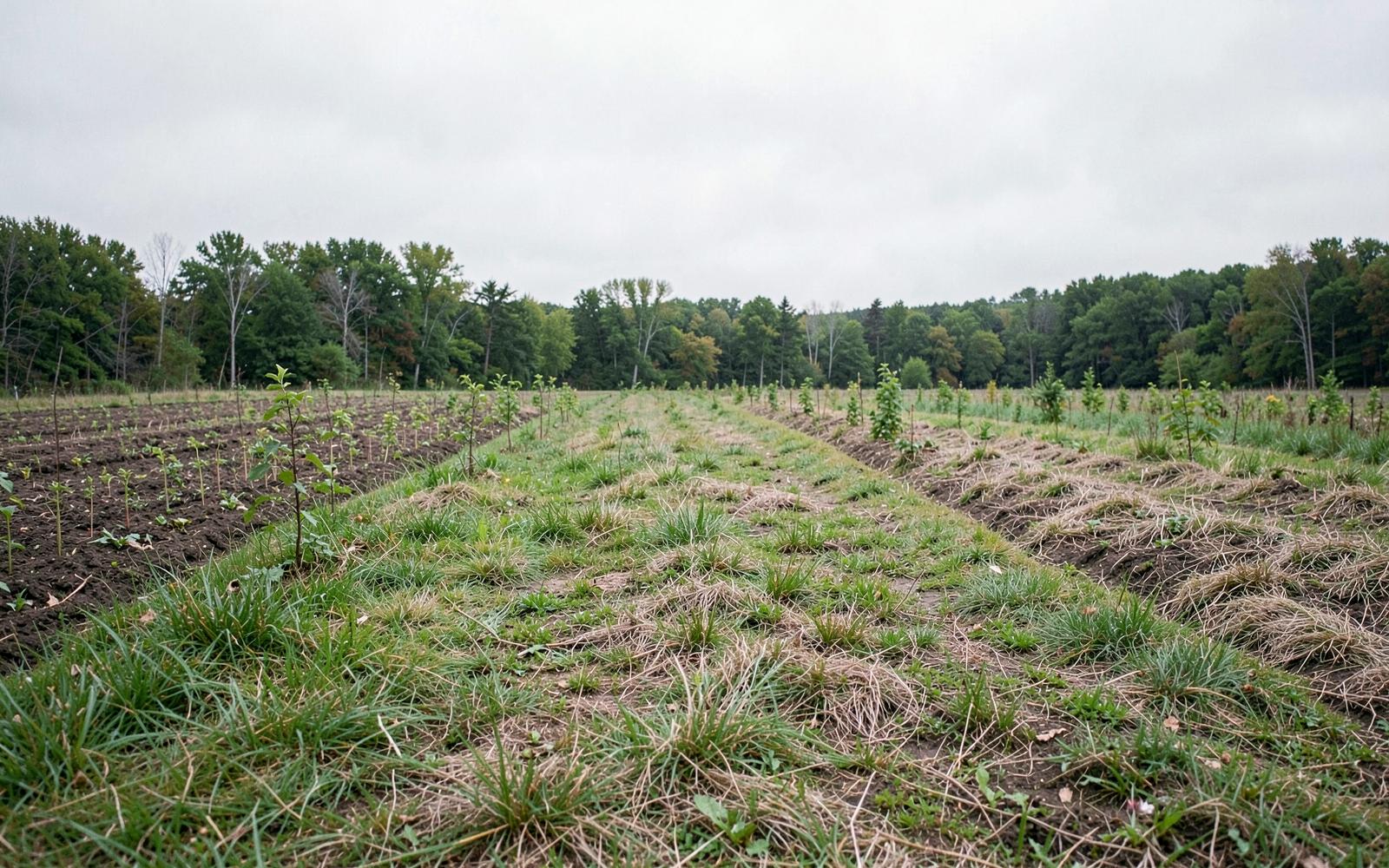
- Seed pasture or cover in late summer
- Overseed and frost seed the following spring
Modest cost per acre, long payback. A dense grass stand is the cheapest permanent defense against brush.
Phase 5: Infrastructure (year 1–3, as budget allows)
Fence, water, gates, buildings, ponds, utilities. These get built once the ground is open and you actually know how you use the property.
Highly variable, and this is where the remaining budget goes.
A realistic overall timeline
- Months 1–2: planning and access
- Months 2–4: clearing
- Months 4–18: regrowth control and seeding
- Year 2: established cover, infrastructure begins
- Year 3: the property functions as intended
Three years sounds slow. It is faster than most of these projects actually go, because most stall in Phase 3.
Where the money goes, roughly
On a typical neglected-acreage project, expect clearing to be the dominant cost, access second, and everything else — soil work, seed, follow-up — comparatively modest but essential. Infrastructure can dwarf all of it depending on ambition.
The ratio people get wrong: they spend the entire budget in Phase 2 and have nothing left for Phase 3, which is the phase that makes Phase 2 stick.
How to make it cheaper
Phase it deliberately. Ten acres properly reclaimed beats forty acres cleared and abandoned to regrowth.
Clear in winter. Better conditions, better scheduling, better results.
Do the maintenance yourself. A used tractor and rotary cutter pays for itself quickly on acreage.
Do not skip the soil test. Seeding without it is often money spent twice.
Combine mobilizations. Clearing, access, and drainage on one visit costs less than three visits.
The honest advice
Reclaim less land, more completely. A well-finished ten acres — open, seeded, maintained, with good access — is worth far more to you than forty acres in permanent partial reclamation.
Tell us the acreage and what you want it to become, and we will give you a phased plan and honest numbers.