
Clearing is not permanent. Here is the realistic maintenance interval by land type, and what happens to your costs if you skip it.
Every clearing job comes with an unspoken second half: what you do afterward. Ground that has been cleared and then ignored does not stay cleared — it goes back, and the return trip is not free.
Why it comes back
Unless the roots came out, they are still there. Mulching and mowing remove the top; the root systems survive and resprout.
Add the seed bank in the soil and constant reseeding by birds and wind, and open ground in the Midwest wants to be brush again. Left alone, most cleared Indiana and Ohio ground is visibly reverting within two to three years and back to thicket within five to seven.
Realistic intervals
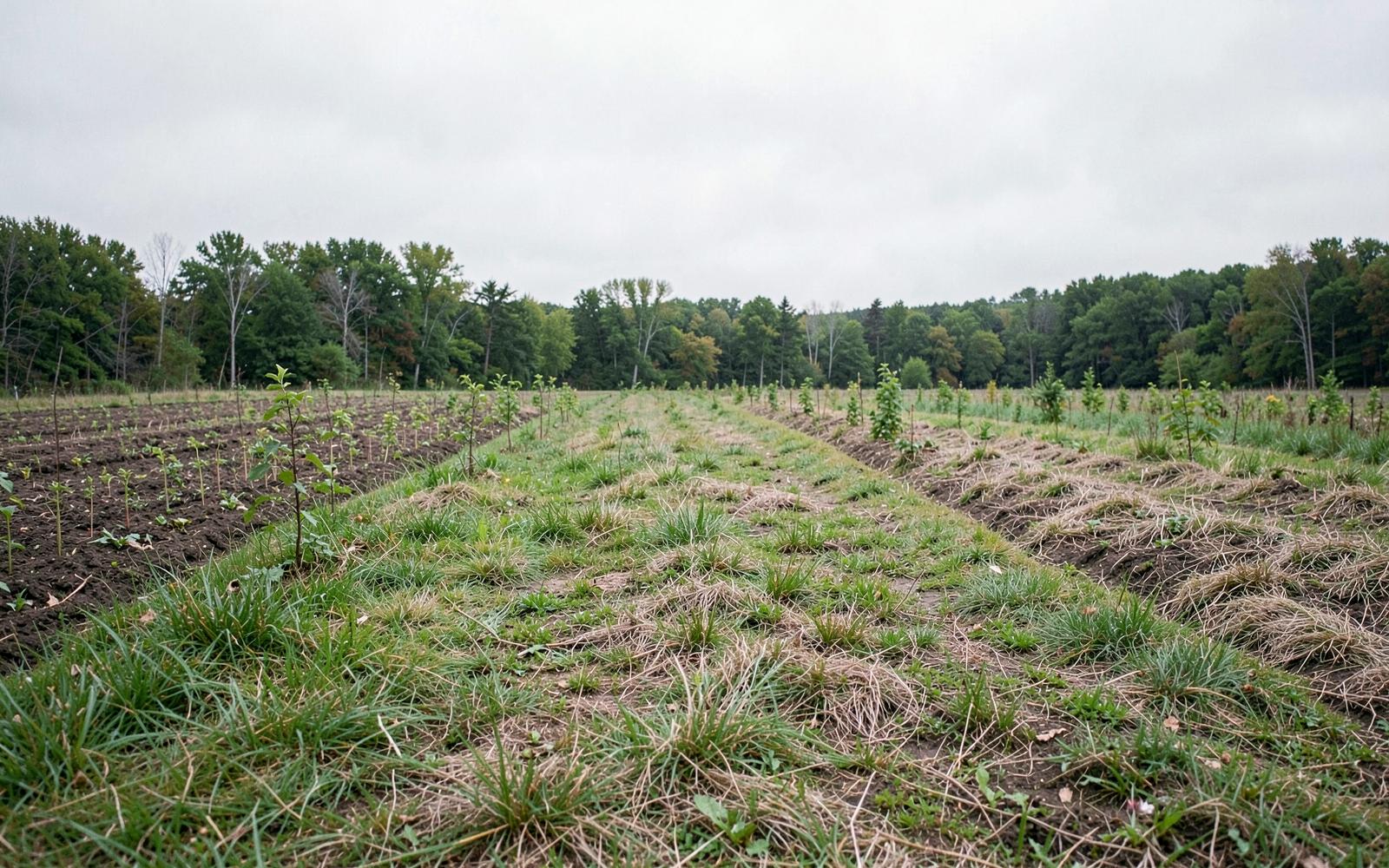
Pasture and hay ground — annually. One clipping a year, ideally before woody species set seed. Twice a year controls better. This is the cheapest maintenance there is and it never lets anything establish.
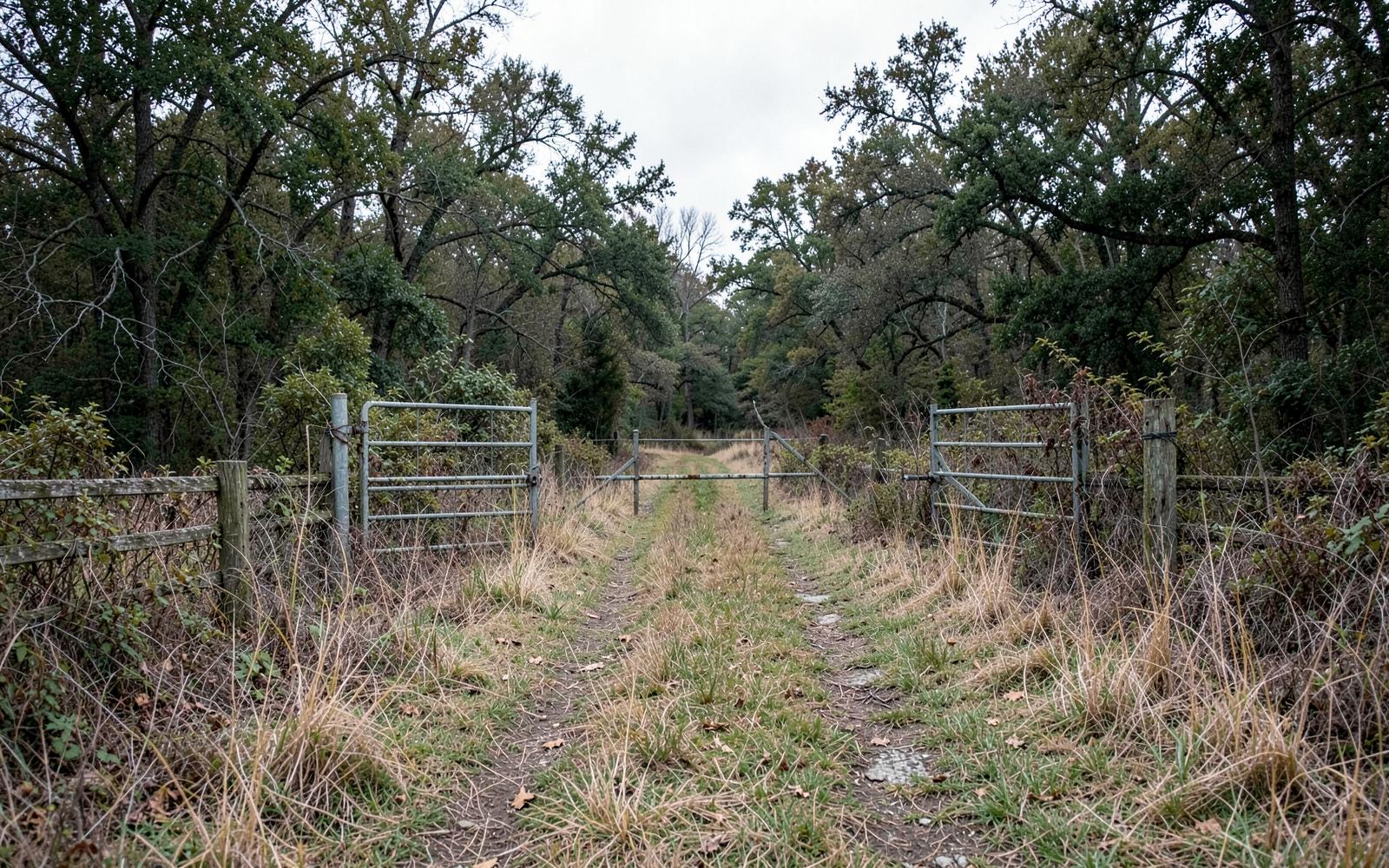
Trails and lanes — annually. Trails close in fast from the edges. A single pass a year keeps them usable; skip three years and you are re-clearing.
Fence lines — annually. Woody growth on a fence line is a fence repair bill in waiting.
Hunting land — every 2 to 3 years, on rotation. Here regrowth is partly the point. Mow or mulch different sections on a rotating cycle so you always have some areas in the browse-and-cover stage.
Reclaimed brush ground, first three years — twice a year. This is the intensive phase. Aggressive regrowth from established roots needs to be knocked back repeatedly to exhaust it. After year three it settles into a normal annual cycle.
Right-of-way and utility corridor — every 2 to 4 years, on cycle. Depends on what is overhead and the growth rate. Cycle work is far cheaper than reactive work.
Building sites and yards — as often as you mow. Once it is lawn, it is lawn.
What skipping costs
The cost curve is not linear. It steps.
- Year 1–2 after clearing: mowing keeps it. Cheap.
- Year 3–4: stems are past what a mower handles well. Now you need heavier equipment. Several times the cost.
- Year 5–7: full forestry mulching again. You are paying the original clearing price a second time.
The mowing you skipped for four years cost less in total than the single reset you now need.
The species that force the schedule
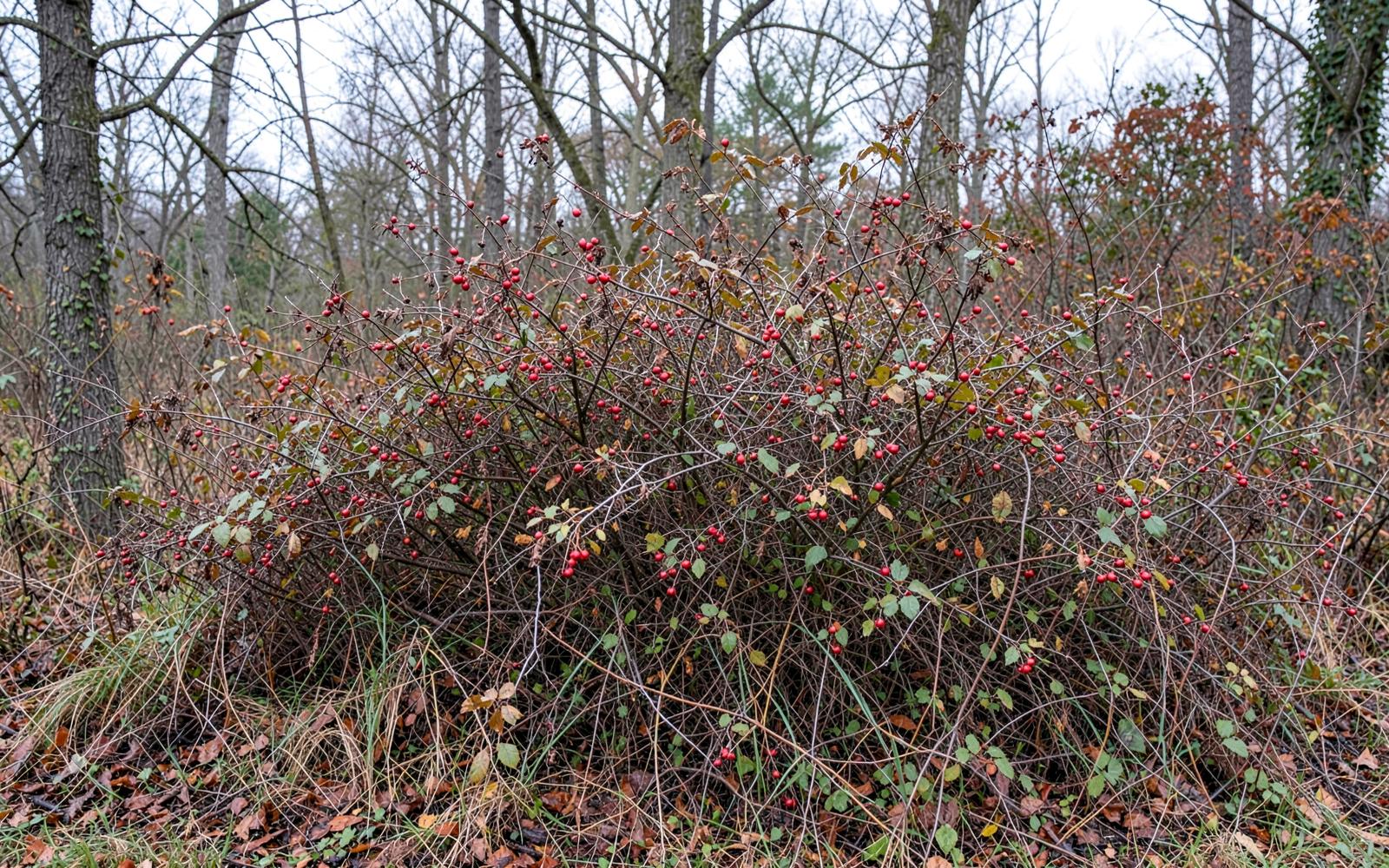
In Indiana and Ohio, the clock is set by honeysuckle, autumn olive, multiflora rose, and volunteer cedar and locust. These grow fast, resprout hard, and go from mowable to not-mowable in roughly two to three seasons.
If your ground has any of these, treat the annual pass as non-negotiable.
Making it cheap
Put it on a schedule, not a to-do list. Ground that gets maintained is ground someone scheduled. Book it for the same window each year.
Get on a recurring agreement. Predictable annual work usually prices better than one-off calls, and you are never the emergency.
Match the tool to the stage. Mowing while it is mowable. Do not let it get to where it needs mulching.
Hit the edges. Regrowth arrives from the wood line and the fence line first. Keeping the perimeter tight protects the middle.
Combine the passes. Trails, fence lines, and field edges in one visit rather than three.
The honest summary
Clearing is the capital expense. Maintenance is the operating expense. Budget for both, or you will pay the capital expense repeatedly.
Ask about recurring maintenance when you book clearing — it is easier to schedule the follow-up in advance than to remember it in three years. Managing multiple properties? Contract opportunities welcome.