
Before you clear an acre or pour a slab. Five steps that take a few weeks, cost relatively little, and prevent the mistakes that are expensive to undo.
Buying rural ground is exciting, and the temptation is to get a machine out there immediately. Resist it for a few weeks. These five steps will change what you do and where you do it.
1. Walk the boundaries and find the corners
Not the fence — the actual surveyed corners. Fences move over decades, get built for convenience, and frequently sit several feet off the true line.
Why it matters first: clearing, building, or fencing based on a wrong line creates real legal exposure. Removing trees on a neighbor''s side carries significant damages in both Indiana and Ohio.
If corners cannot be located, get a survey. It costs a fraction of a boundary dispute, and you will use it for everything else.
2. Walk it in the rain
The single most useful thing you can do on a new property.
Go out during and immediately after a hard rain and watch where water goes. Where does it pool? Where does it channel? Where does it leave the property, and where does it arrive from the neighbor?
Twenty minutes in a downpour tells you more about where the house, driveway, and pond should go than any map. Every drainage mistake people make later is a mistake they would not have made if they had done this.
3. Pull the public records
Cheap, fast, and full of surprises.
- County GIS / parcel viewer — boundaries, acreage, aerial imagery, often historical aerials showing what the ground looked like decades ago
- Soil survey (USDA Web Soil Survey) — soil types, drainage class, and limitations for building and septic
- FEMA flood maps — floodplain and floodway
- County surveyor — regulated and legal drains crossing the property, with their protected easements
- Recorded easements — utility, pipeline, access, and drainage rights that came with the land
- Zoning — what you are actually allowed to do
The drain and easement records in particular catch people out. Finding a regulated drain easement through your planned building site after clearing is a bad discovery.
4. Perc test before you pick a house site
If you are on septic, the soil determines the system, and the system determines where the house can go.
People pick a view, clear it, grade it, and then find the ground will not support a conventional system there. Test first, site second.
Your county health department administers this and can tell you the process.
5. Make a plan before you clear
The most common expensive mistake on new ground is clearing the wrong things.
Trees you regret removing. Mature hardwoods take a lifetime to replace. Shade around a house site, a windbreak on the north and west, and screening from the road are worth real money and take real time to grow back. Mark what stays before anyone starts.
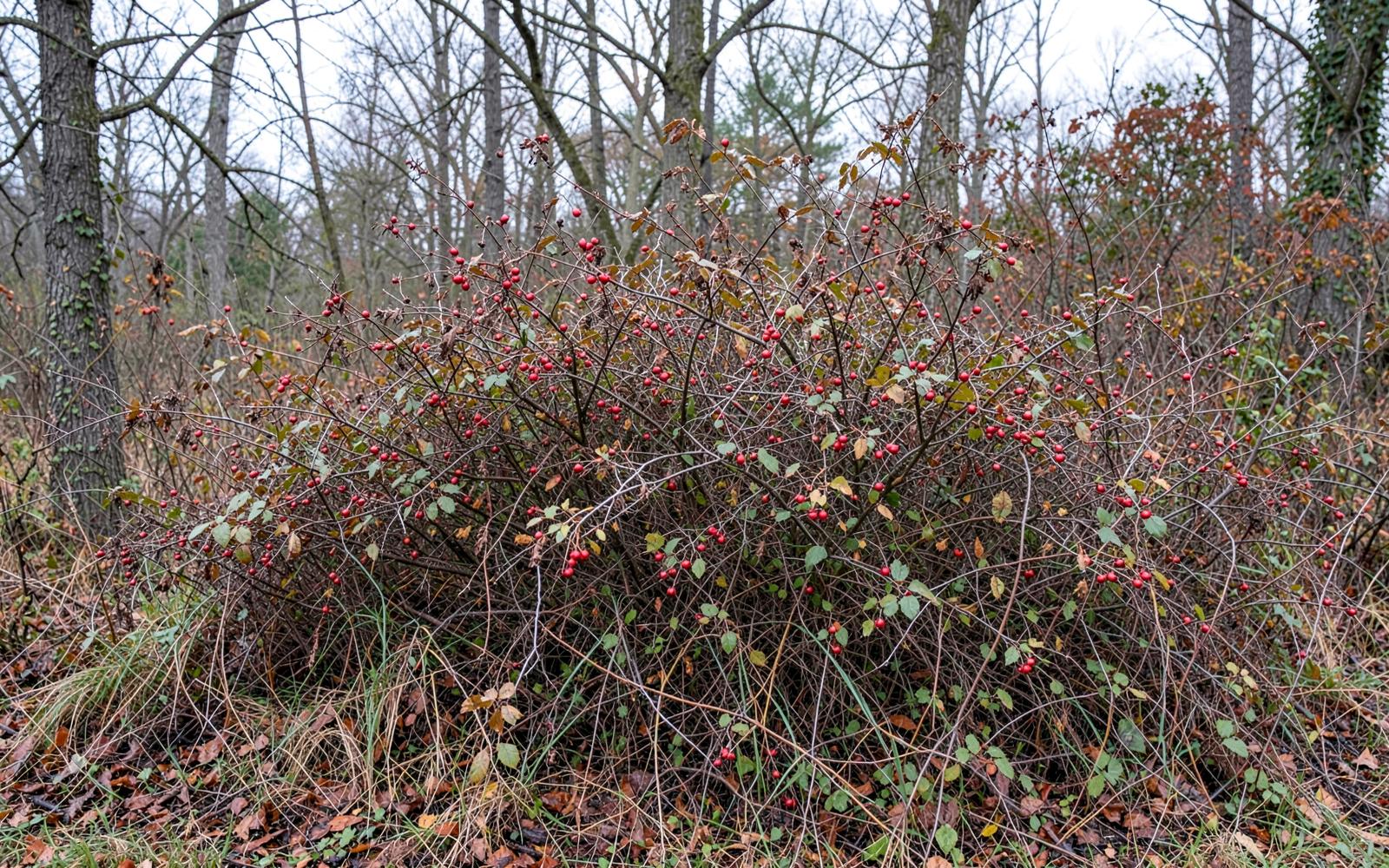
Clearing more than you need. Every cleared acre is an acre to maintain forever. Brush comes back on anything you do not keep after.
Clearing in the wrong order. Build the access route first. Everything else depends on it.
A simple sketch — house, drive, septic, outbuildings, pasture, what stays wooded — is enough. You will revise it, but it prevents the irreversible errors.
A reasonable first-year sequence
- Corners and survey
- Records, soils, drainage, easements
- Perc test
- Walk it wet, in every season if you can
- Plan on paper
- Build access
- Clear only what the plan calls for
The one thing worth doing immediately
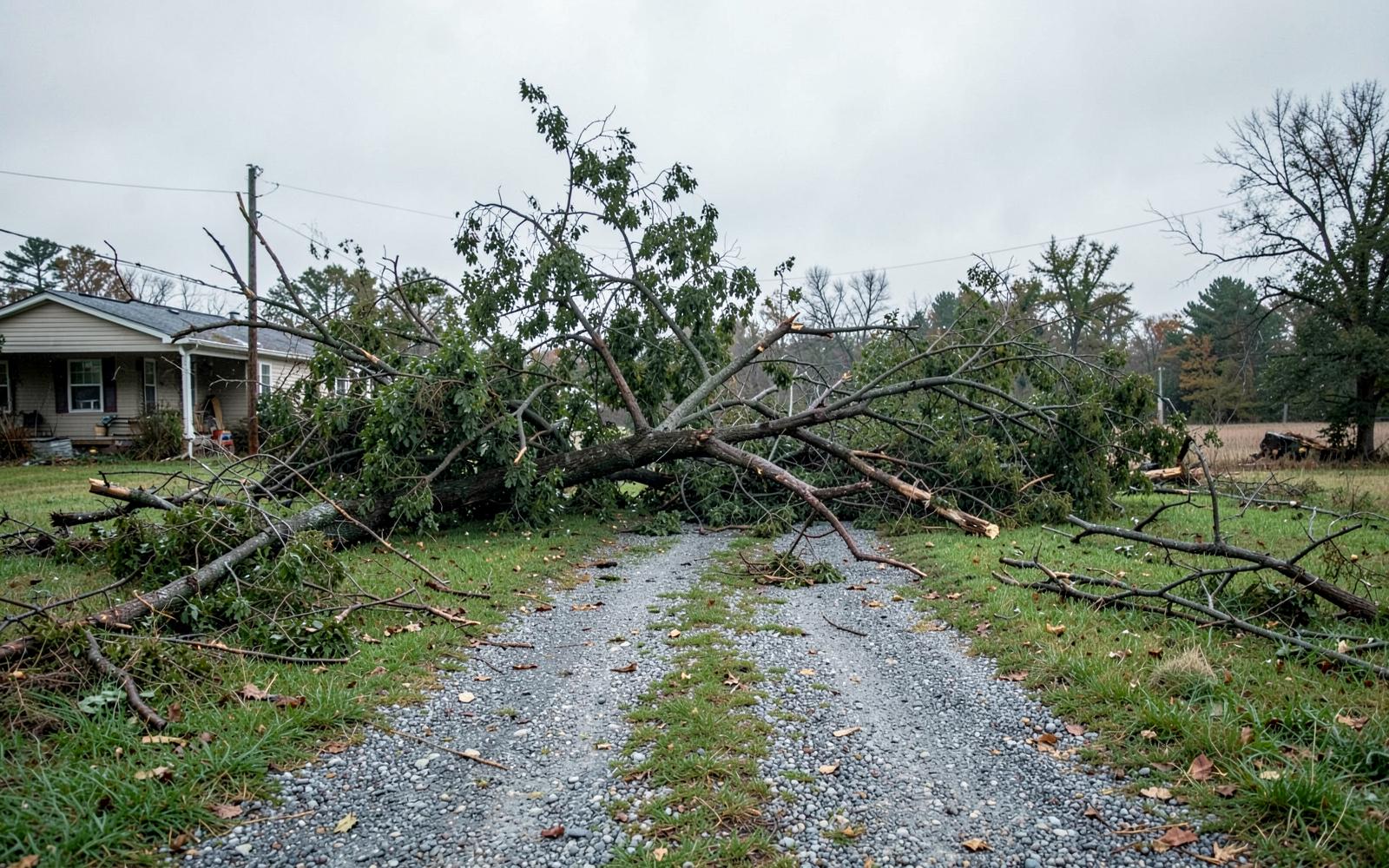
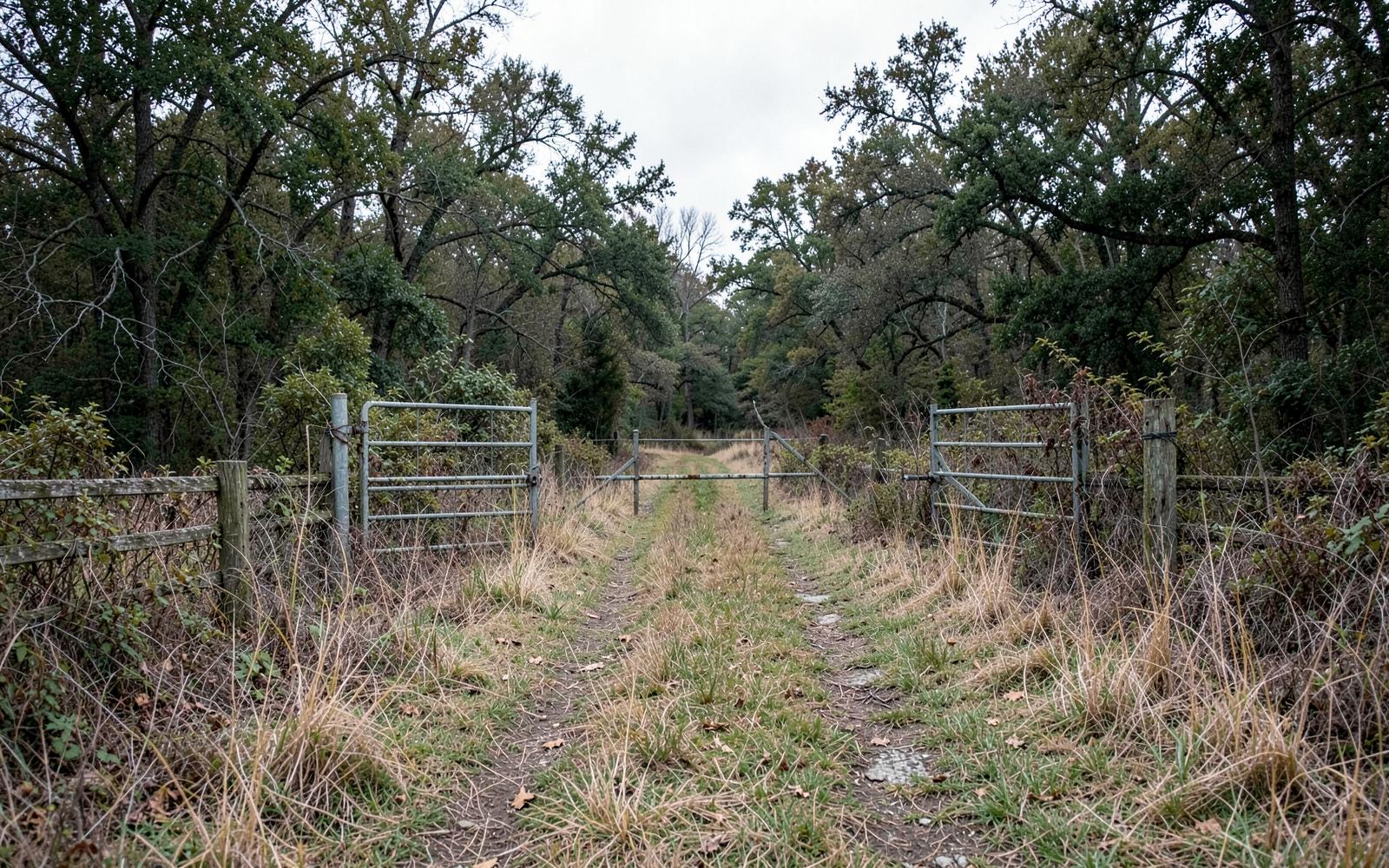
If the property has an access problem — no driveway, a washed-out lane, no way to get equipment in — solve that first. It gates everything else, and it usually looks harder than it is.
Just bought ground and not sure where to start? We are happy to walk it with you before anything gets cut.