
Mulching is the most useful tool most hunting properties never use. Access without a bulldozer, plots without a burn permit, and cover you actually shaped on purpose.
A neglected hunting property has the same problem almost every time: it is too thick to move through, too thick to see through, and the deer are using it in ways you cannot hunt.
Mulching solves all three, and does it without tearing up soil or leaving piles across the property.
Trails and access
The most valuable first job on most properties.
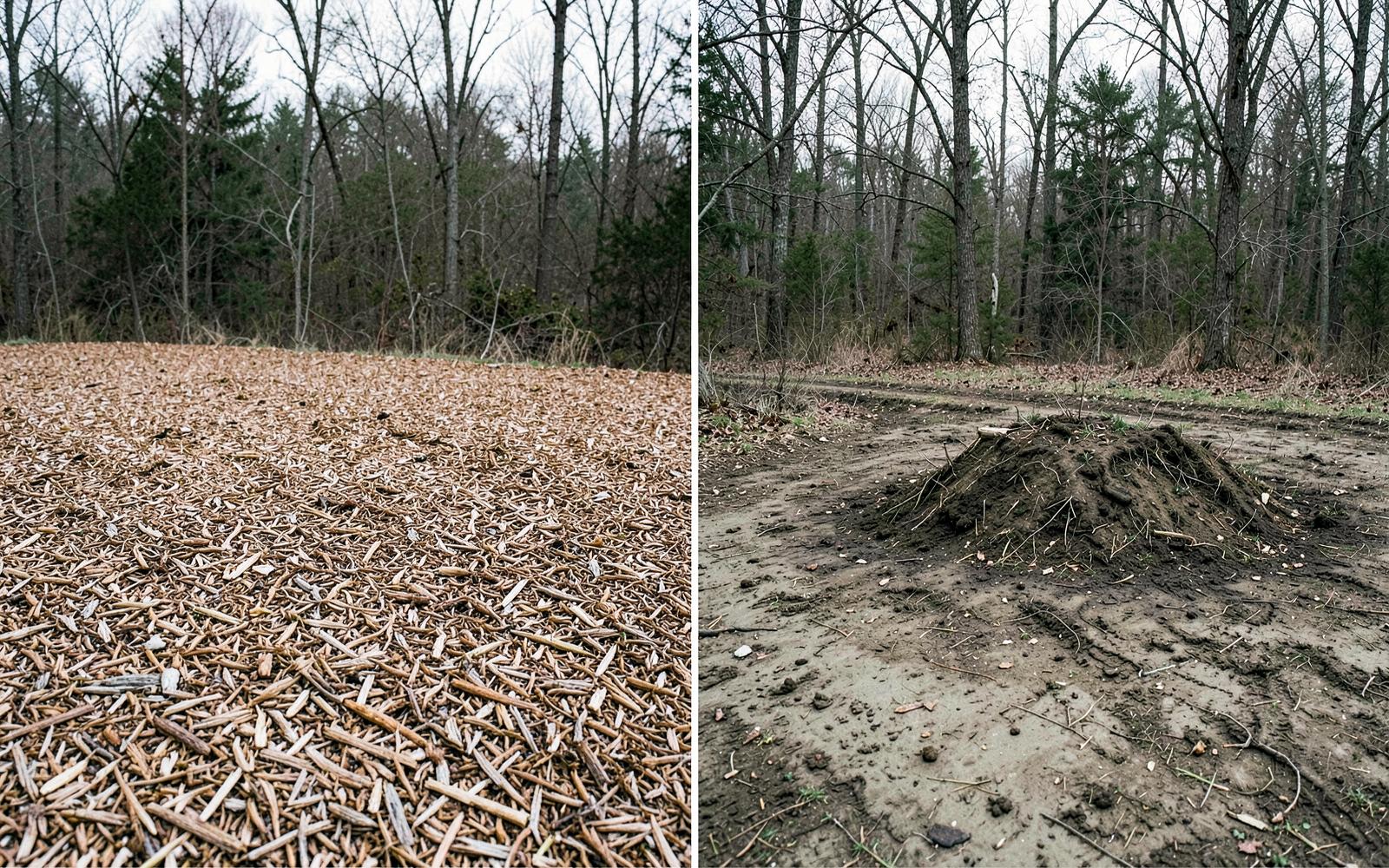
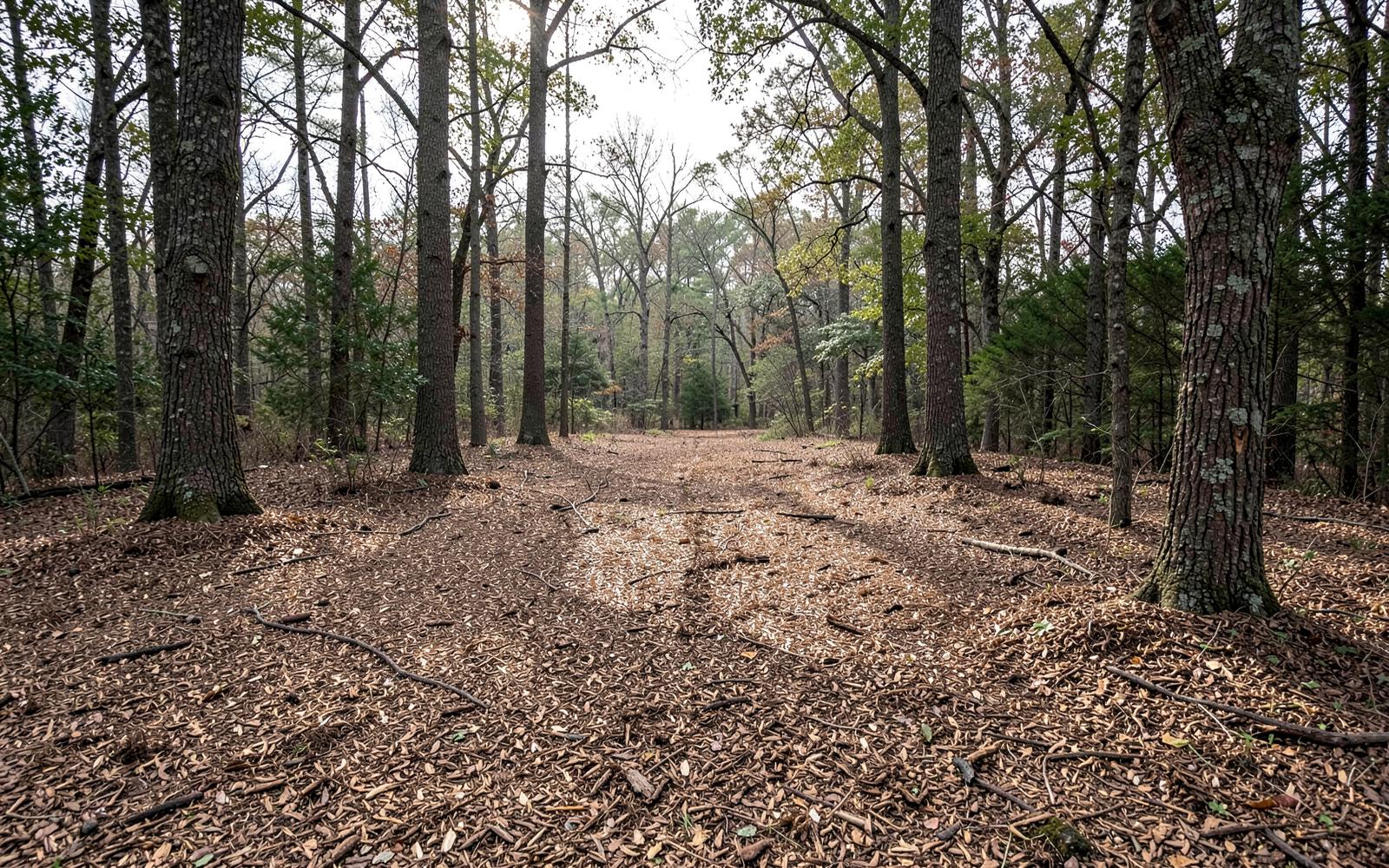
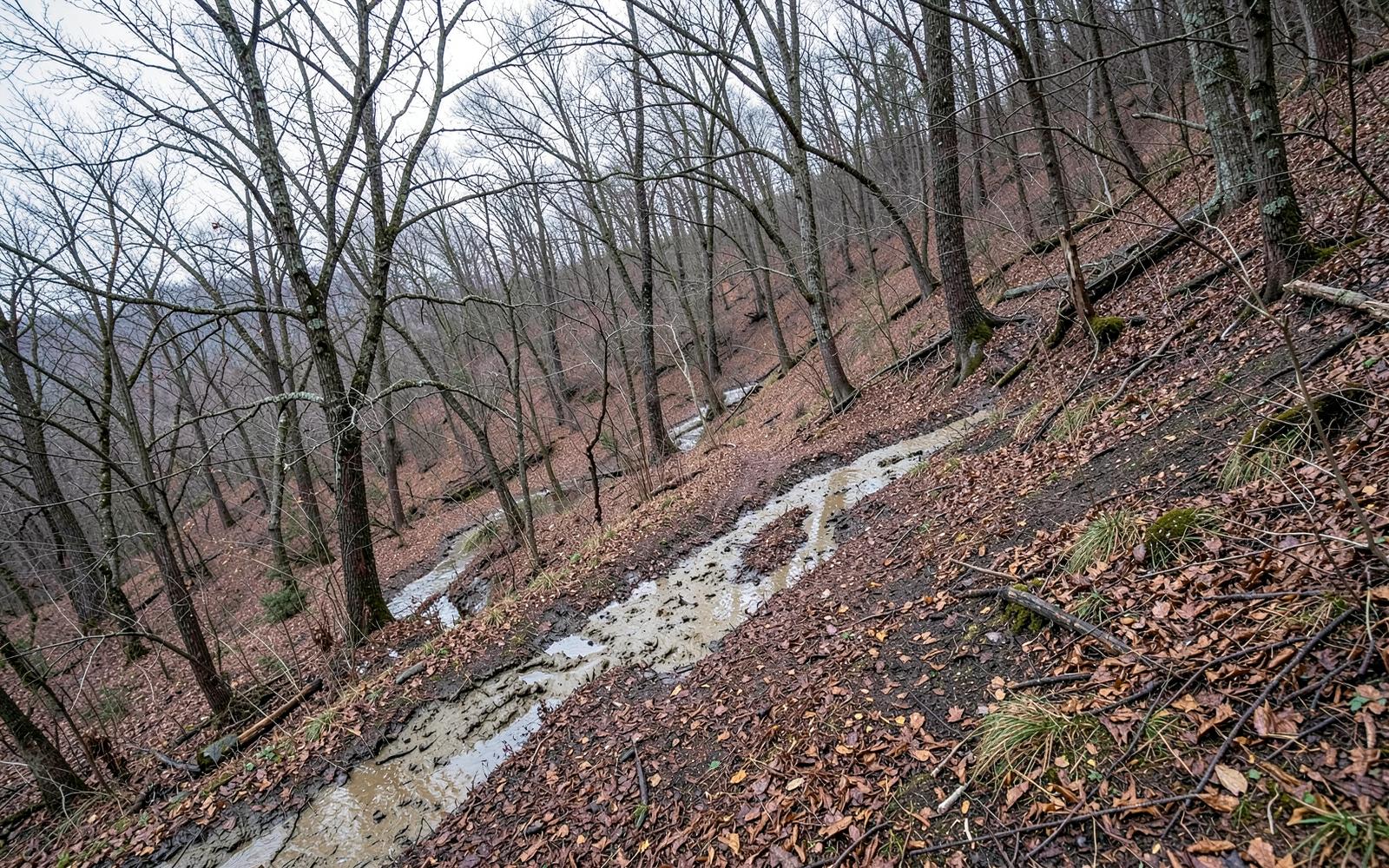
A mulched trail gives you a quiet walk-in route, a way to get an ATV or side-by-side to a stand, and a path for dragging out. Because there is no soil disturbance, a mulched trail does not turn into a muddy rut the first wet fall.
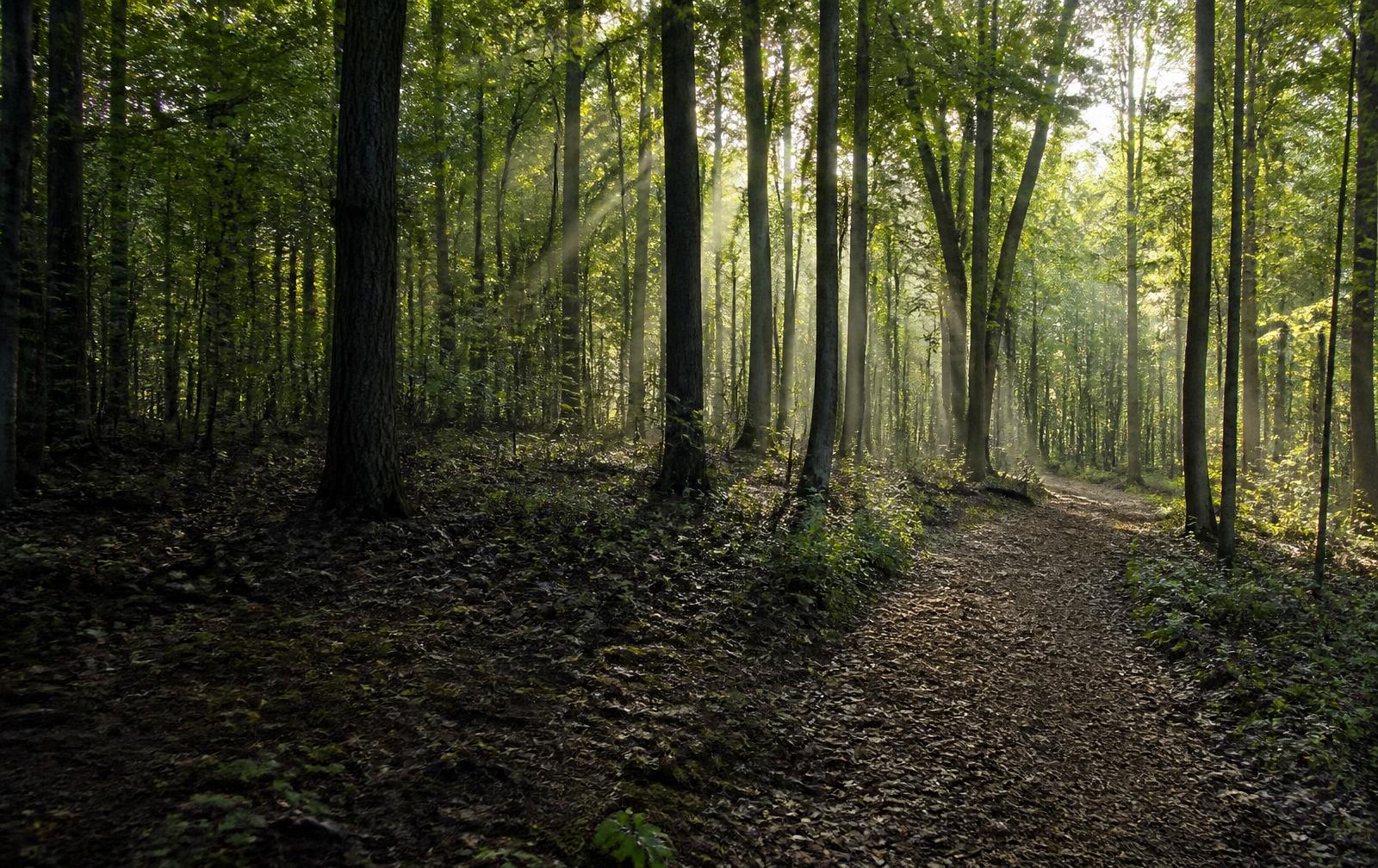
Plan them deliberately. Trails should approach stands with the prevailing wind in your favor, not straight through bedding. Cut them wide enough to actually use — narrow trails close back in fast.
Timing: cut trails in late winter. They will have settled and grown in slightly by fall, and you have not disturbed anything during the season.
Shooting lanes
Selective work, and it is worth paying for the care.
Lanes cut from the stand outward, at the height you will actually be shooting from, in the directions deer actually travel. This means someone sitting in the stand and marking, not guessing from the ground.
A mulching head can take understory while leaving the canopy, which is often exactly what you want — you can see and shoot, and the deer still feel covered.
Food plots
Mulching prepares a plot site faster and cheaper than clearing and burning, with no permit window to wait on.
What you get: an opened area with a mulch layer, roots still in place.
What you do next: for a throw-and-mow or no-till approach, a thin mulch layer is workable — sometimes helpful, since it holds moisture. For conventional tillage, you will want the layer thin and the stumps out of the plot footprint.
A realistic sequence: mulch in late winter, let the layer break down through spring, frost seed or broadcast into it, or till the plot footprint if you are going conventional.
Size and shape matter more than acreage. Long narrow plots with irregular edges create more edge and more approach options than one big square.
Bedding and cover
This is where mulching does something a dozer cannot: shape cover instead of removing it.
Hinge-cut alternative. Mulching the understory around select areas while leaving thick pockets creates defined bedding rather than uniform thicket.
Edge feathering. Mulching a transitional band between woods and field creates the thick low growth deer actually bed and browse in. The regrowth after mulching — the thing everyone worries about — is genuinely valuable here.
Regrowth as a feature. On a hunting property, brush coming back from mulched ground at two feet tall is browse and cover. Plan maintenance passes on a rotation so you always have some areas at that stage.
Invasives
Honeysuckle and autumn olive dominate a lot of Midwest hunting ground. They shade out native browse and hold almost no food value.
Mulching knocks them down and buys you a window. To actually push them back, pair mulching with targeted treatment on the regrowth in the following season. That combination works far better than either alone.
Timing on a hunting property
- Late winter (Feb–Mar) — the best window. Frozen or firm ground, no leaves hiding the structure, and full recovery time before season.
- Summer — workable, but you are disturbing bedding during fawning and in the heat.
- Early fall — too late. Leave the property alone.
Where to start
If the budget only covers one thing this year: trails. Access unlocks everything else, and you cannot hunt or improve ground you cannot get to.
Tell us about the property and what you want it to hunt like. Managing several properties or a leased block? Contract work welcome.